DIY Filmmaker Digest 4 — Week of October 6, 2025
PermalinkA fresh roundup of links, interviews, and news for DIY filmmakers.
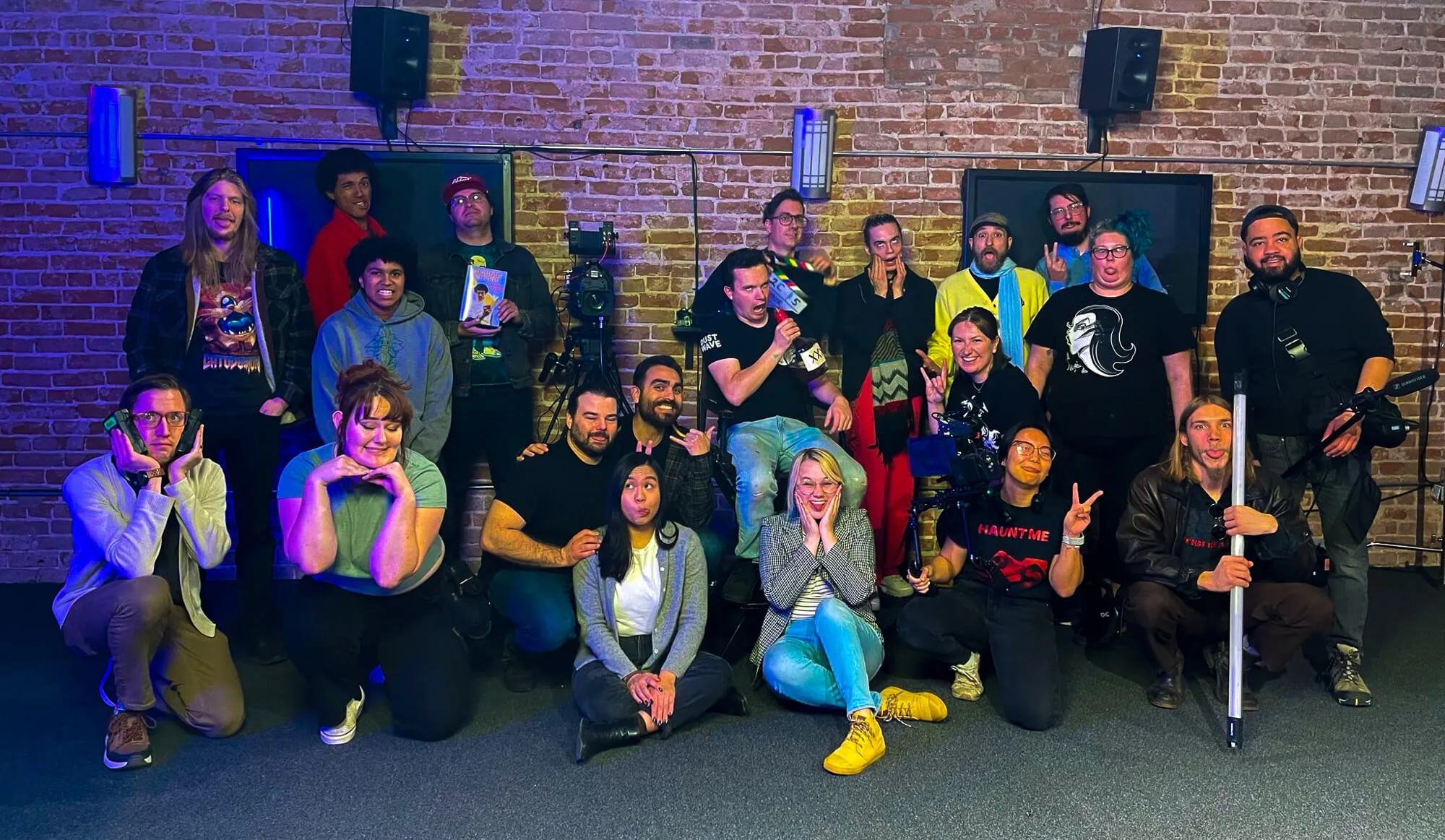
Welcome to this week’s DIY Filmmaker Digest — part syllabus, part mixtape, part fever dream of cinema’s shifting ground. Below you will find: essays and interviews that ask what artists are tinkering with, what systems are breaking, and how you might improvise your own way forward. There’s a mild New Mexico bias, plus podcasts, videos, and trailers to keep your queue weird and your outlook restless.
We have two Kickstarters live for future Dust Wave projects (both doing quite well but still needing your support) -- the first one is for Just Hang On, Chelsea Ambrose's short drama about survival, choice, and hope. Chelsea is a longtime makeup and special effects artist, but this is her first time writing and directing a short film. Go support Chelsea's project!
The second is for Jeanette Aguilar Harris's Dancing Through the Darkness. Jeanette is a longtime actor and dancer and her short film is about faith, family, and the power of dance in the face of early onset Alzheimer's. Go support Jeanette's project!
Also, you may notice a fair amount of "AI" related articles below -- I'm a big believer in staying informed and this past week saw the release of Sora 2 and Vibes. Impossible to predict if these are as momentous as they seem (especially Sora), but the impact of these new technologies is only beginning to be felt. And no one truly understands what the full ramifications will be.
The only thing I can counsel: master your craft, stay deeply skeptical, and don't be afraid. We all know what fear does.
And now, the digest:
Articles
Vimeo's Long Goodbye
“Vimeo was the first modern video platform built for creators. But the company's long, slow pivot to enterprise left filmmakers behind.”
Key takeaways
- Vimeo's multi-year shift toward enterprise video means fewer resources and visibility for indie creators.
- Relying on a single platform for audience and archives is fragile; own your distribution and backups.
- For showcases and press kits, lightweight embeds (YouTube/Vimeo) + self-hosted masters is the most resilient combo.
To-Dos
- Export and archive your Vimeo projects (masters + captions + thumbnails) to redundant storage.
- Add a self-hosted or CDN-backed player option (e.g., Mux, Bunny, Cloudflare Stream) to your site's press page.
- Mirror public reels/trailers to at least one alternative (YouTube/Peertube) and link from your EPK.
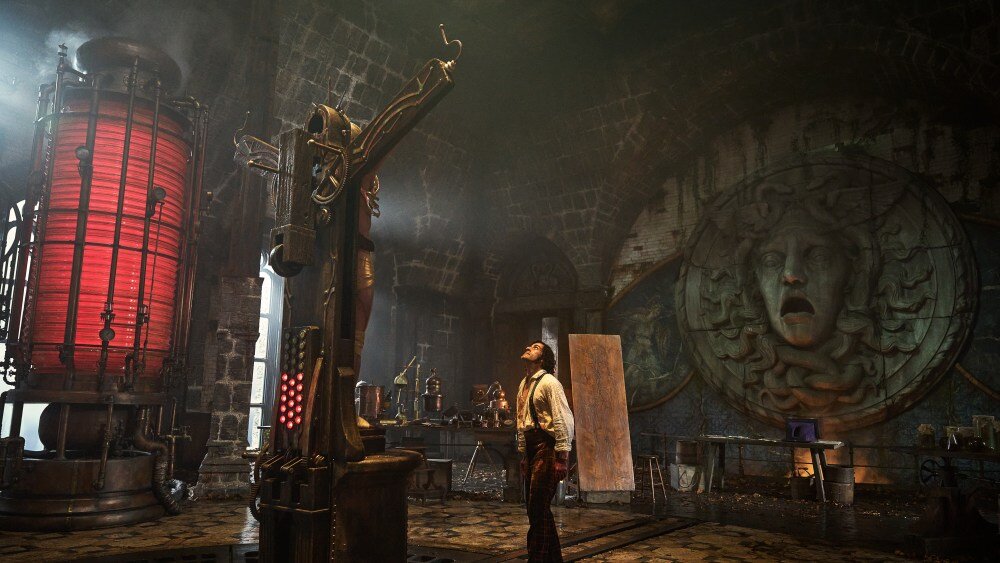
Santa Fe International Film Festival Unveils 2025 Lineup
“Expanding to a sixth day of programming is a major milestone.”
Key takeaways
- SFiFF is scaling up (now six days), which signals strong regional audience demand—opportunity for indies to target non-LA/NY festivals with growing reach.
- Lineup curation highlights a mix of premieres and discovery titles; regional fests are valuable for word-of-mouth and awards momentum.
- Programmers increasingly seek distinct voices and first/second features—polish your festival package (synopsis, EPK, trailer) to stand out.
To-Dos
- Shortlist 3–5 regional festivals like SFiFF whose programming aligns with your film; note deadlines and premiere status rules.
- Cut a 60–90s festival trailer emphasizing tone + hook; export captions and vertical teaser variants.
- Build a festival one-sheet (logline, stills, laurels space) and a press contact email ready to go.
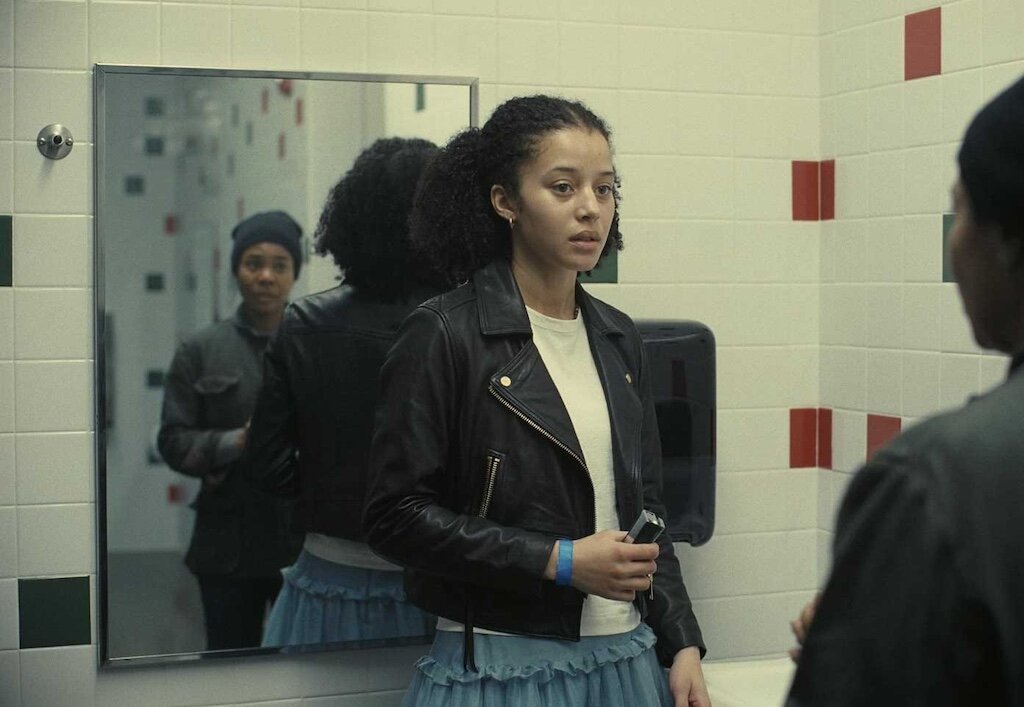
Go See One Battle After Another Right Now
“One Battle After Another is a masterful and harrowing portrait — less a dispatch than a lived-in chronicle of survival.”
Key takeaways
- Urgent docs land by staying embedded with subjects, not summarizing events from afar.
- Formal restraint (patient coverage, spatial clarity) heightens stakes without melodrama.
- Ethical framing — what you show and when — builds trust that translates on screen.
To-Dos
- For your next verité scene, commit to a 10-minute uninterrupted take to earn organic moments.
- Draft a consent & sensitivity checklist for risky coverage (faces, locations, minors).
- Cut a 90-second teaser using only diegetic sound; no score crutch.

Jay Kelly Review: George Clooney Is Damn Good as a Pampered Movie Star
“Clooney is damn good — his sheen used as a weapon — while Baumbach keeps puncturing the fantasy.”
Key takeaways
- Cast against type to weaponize a star's persona for character subtext.
- Smart comedy of manners lives in reaction shots and blocking, not just dialogue.
- Restraint in coverage lets performance dynamics do the heavy lifting.
To-Dos
- Storyboard one dialogue scene using only three shot sizes and deliberate eyelines to stage power shifts.
- Rehearse with 'persona inversion': ask your lead to play the opposite of their public image for one pass.
- Build a prop/wardrobe 'tell' that tracks your protagonist's inner turn across three beats.
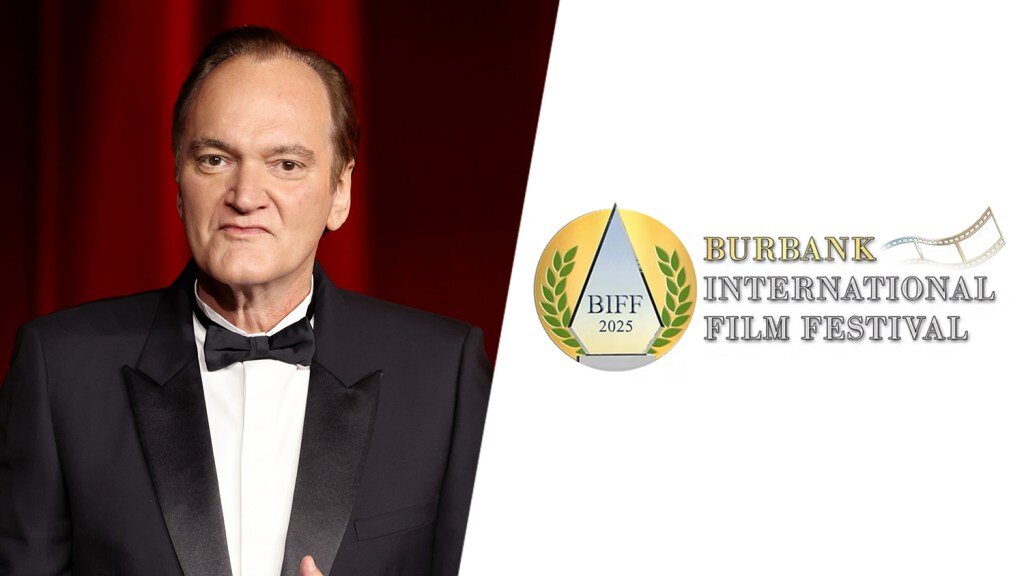
How Quentin Tarantino Bounced Back After Death Proof Bombed
“The next film that's a hit, you're going to enjoy that more than you would have if your previous film had also been a hit.”
Key takeaways
- A flop can sharpen craft and career choices; resilience + learning loops matter more than flawless streaks.
- Momentum is portfolio-based: one strong follow-up can reframe prior underperformance.
- Keep the pipeline warm - develop the next project before release to cushion outcomes.
To-Dos
- Draft a post-mortem template (what worked, what didn't, what to try next) and schedule it for one week after release.
- Keep 2–3 scripts or decks in parallel development to maintain optionality.
- Build a private “advisory cut” list (5 peers) for brutal notes between festival and public release.
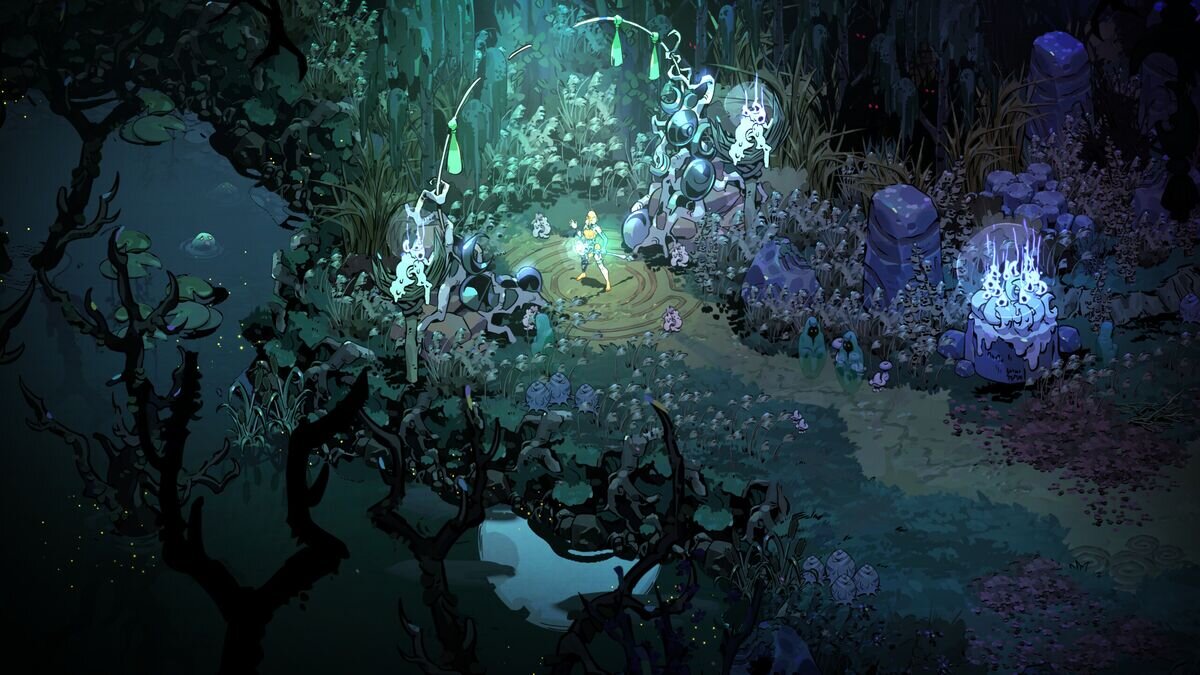
The Video Game Industry Has a Problem: There Are Too Many Games
“A crowded September for video-game releases illustrates a broader challenge in the market”
Key takeaways
- Attention is the scarce resource; film faces the same glut dynamics—niche positioning beats broad “for everyone” pitches.
- Discovery relies on platforms' algorithms; timing + packaging (title art, thumbnails, hooks) drive outsized outcomes.
- Sustainable strategy: fewer, sharper releases; cultivate owned channels (mailing list, Discord) to reduce platform risk.
To-Dos
- Write a positioning statement (who it's for, why now, what it's like); validate with 5 target viewers before locking artwork.
- A/B test 3 poster/thumb concepts and 3 loglines on social; keep the winning pair for trailer + key art.
- Plan a 4-week “attention runway” (teasers → trailer → clip drops) instead of a single release blast.
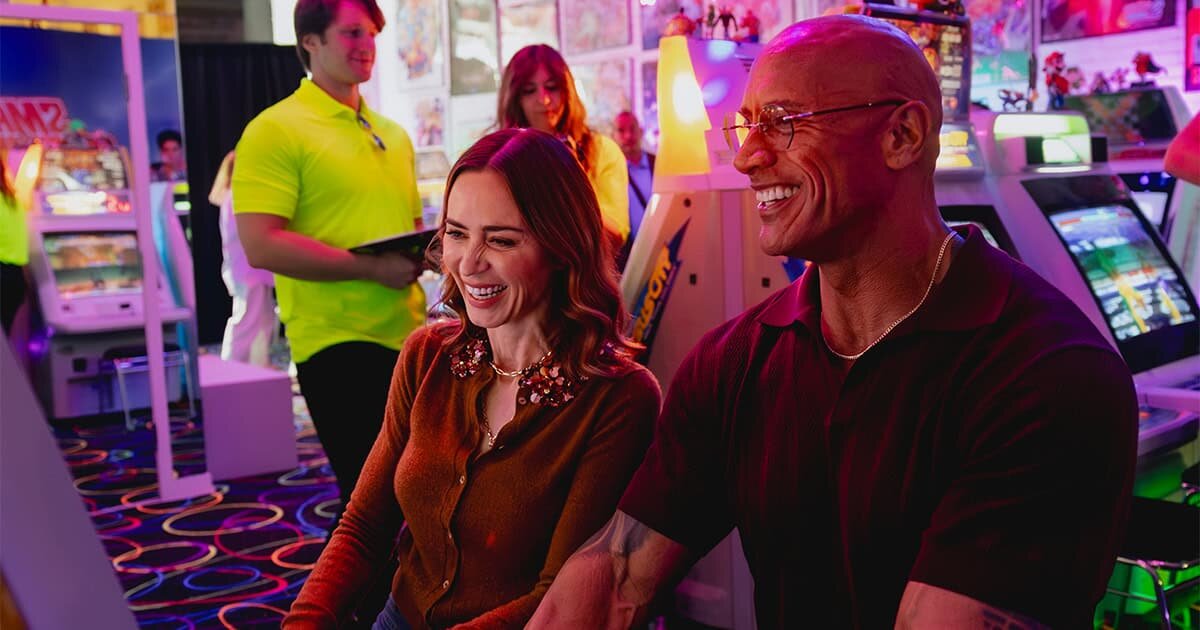
The Smashing Machine 2000 Arcade: JoBlo Checked Out This Cool NYC Pop-Up
“This was a promotional event that had classic fighting arcade games along with a Smashing Machine MMA fighting game, with a boxing ring set up, sparing equipment on display and more.”
Key takeaways
- Experiential pop-ups extend IP beyond screens—low-cost footprint, high-engagement PR and UGC.
- Design tactile anchors (props/mini-games) that photograph well; let fans do your marketing.
- Partner with local venues to pilot one-weekend pop-ups around premieres or anniversaries.
To-Dos
- Outline a 2-room pop-up for your film (photo op + activity); budget materials and staffing.
- Prep a creator kit (shot list, QR codes, hashtags) and invite local influencers for first-look slots.
- Capture a 30–60s recap reel with attendee quotes for press and socials.
Meta launches 'Vibes,' a short-form video feed of AI slop
“Vibes is a short-form video feed packed with synthetic 'AI slop' — an algorithmic treadmill designed to maximize watch time, not meaning.”
Key takeaways
- Short-form feeds are tilting toward auto-generated content; human work competes with infinite synthetic supply.
- For filmmakers, differentiation comes from voice, BTS craft, and community—not chasing every new feed.
- Treat these feeds as top-of-funnel only; convert attention to owned channels (email, site, ticketing).
To-Dos
- Cut a 20–30s “hook” template for each project that clearly drives viewers to your newsletter or premiere page.
- Batch 5–10 BTS shorts focused on process (lighting tests, sound tricks) instead of pure clips.
- Add a persistent CTA in profiles driving to an owned landing page with screenings and pre-sales.
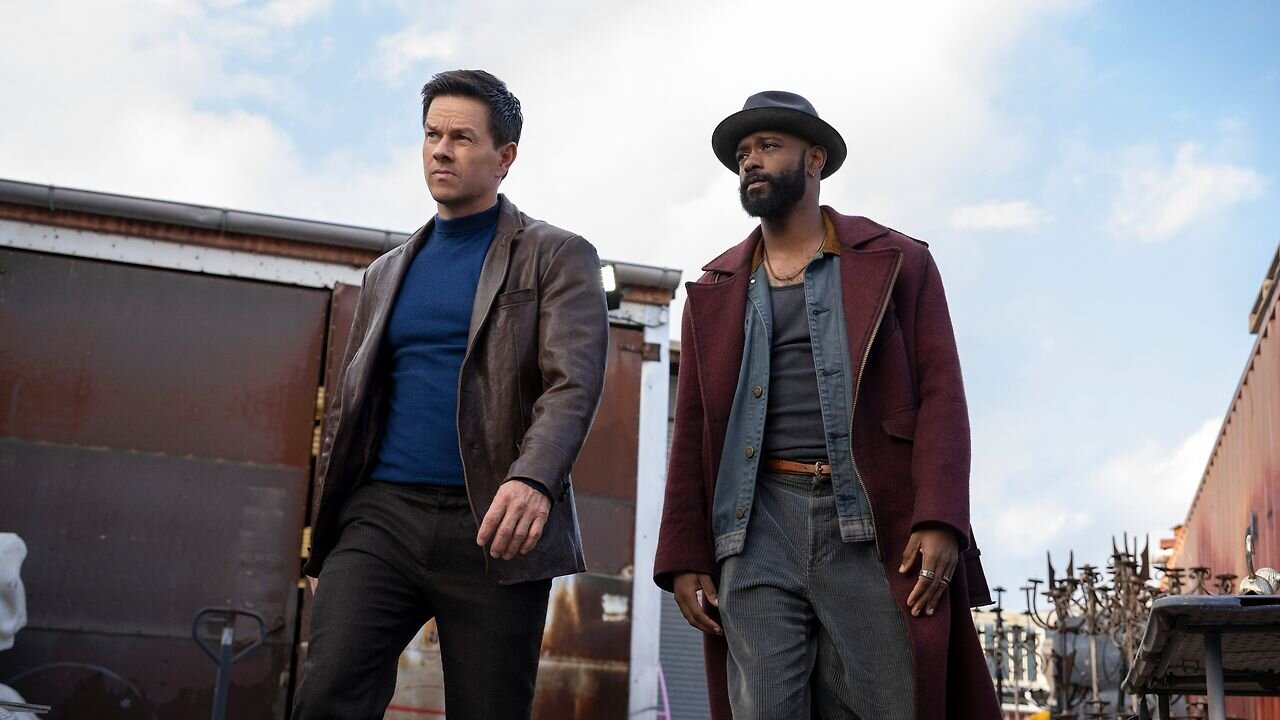
Expect the Unexpected: Shane Black on his favorite crime features
“The best crime pictures aren't about crime — they're about people under pressure making choices they can't take back.”
Key takeaways
- Character pressure > plot machinery: build set-pieces around decisions, not twists.
- Tone management (humor rubbing against dread) keeps crime stories human and surprising.
- Specific milieus—time, place, slang—do production design work on the page before you shoot.
To-Dos
- Rewrite one key scene so the turning point is a character's irreversible choice, not an external reveal.
- Build a 1-page 'tone map' (humor/menace/quiet) for your next short and pin it to shooting pages.
- Walk your location and collect 15 hyper-specific details; seed five into dialogue and blocking.
Trump says US to impose 100% tariff on movies made outside the country
“The step signals Trump's willingness to extend protectionist trade policies into cultural industries, raising uncertainty for studios that depend heavily on cross-border co-productions and international box-office revenue.”
Key takeaways
- If enacted, import costs for foreign films would spike, reshaping distribution slates and streamers' acquisitions calculus.
- Domestic indie productions could see a short-term boost in demand — but financing and union capacity may bottleneck.
- Co-production structures and release windows could shift quickly; keep paperwork flexible (territory carve-outs, MFN clauses).
To-Dos
- Ask your sales rep/attorney to add tariff/levy change language to distribution and pre-sale contracts.
- Model alt budgets with domestic production and post paths; line up states with best incentives for your project.
- Build two festival strategies: (A) US-first premiere path, (B) international-first with contingency for US tariff risk.

A Platform Jumping Prince
“If someone asked me the best way to play old-school PoP online today, I'd likely recommend the DOS version.”
Key takeaways
- Constraint breeds invention: Mechner's early Prince of Persia dev shows how tight hardware limits force elegant design—parallel to micro-budget filmmaking.
- Iteration + documentation matter: journals, sketches, and versioning create reusable IP and behind-the-scenes assets audiences love.
- Longevity comes from mechanics/story clarity; your film's core expressive idea should survive remakes, ports, and formats.
To-Dos
- Keep a production log (daily 5–10 min) with screenshots/clips; export excerpts as social dev-diary posts.
- Define your movie's “mechanic”: a repeatable visual or story beat; test it in a 30–60s proof.
- Create an archival bundle: scripts, boards, LUTs, BTS reels—future-proof for pitches, festivals, and restorations.
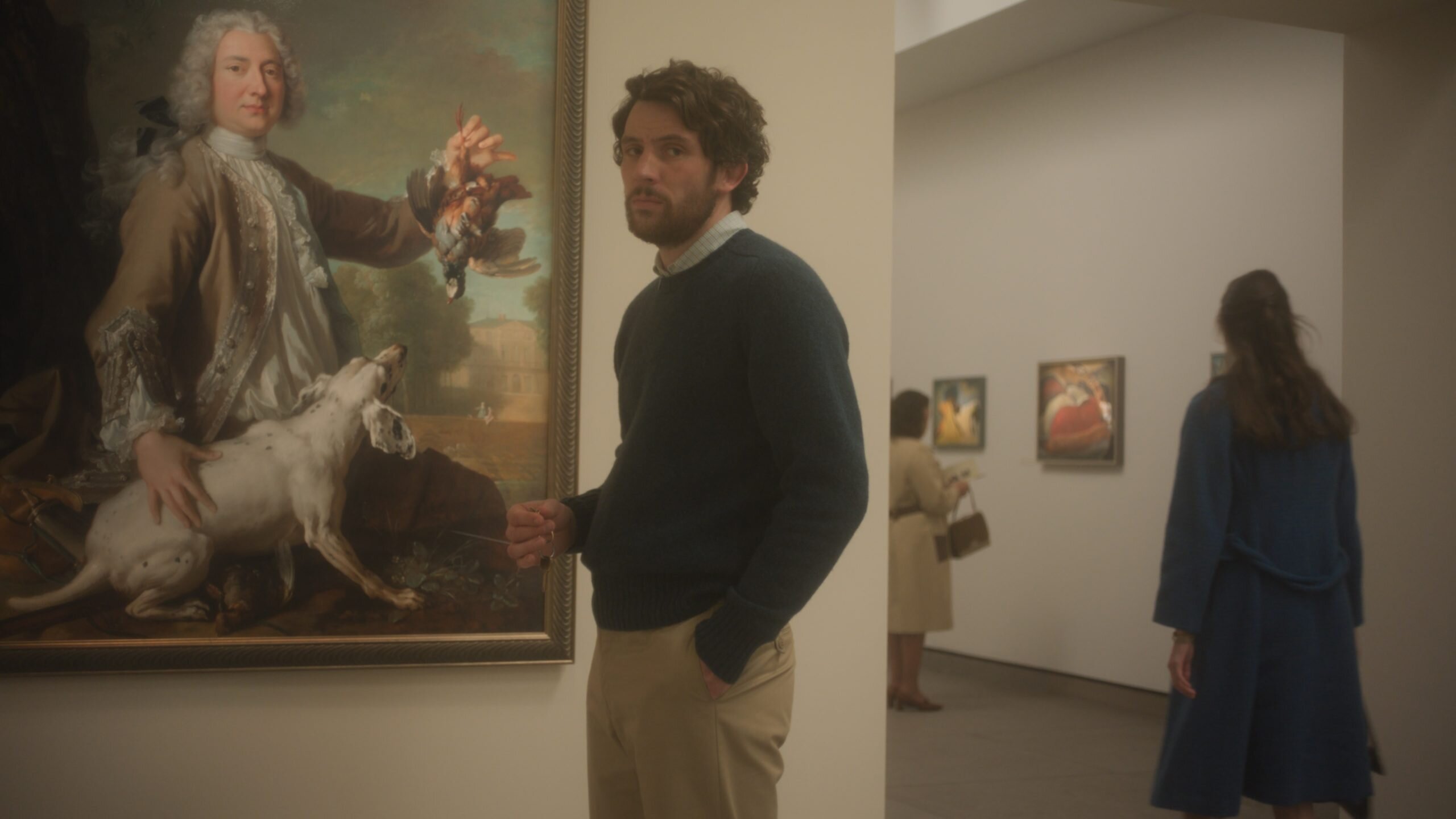
Not Your Typical Art Heist Flick
“Reichardt's caper drains the gloss from the heist and leaves the nerves exposed.”
Key takeaways
- Genre subversion works by stripping glamour and staying with logistics, boredom, and doubt.
- Sound design (silences, room tone) carries more tension than needle-drops in low-key heists.
- Mundane stakes can feel huge when framed through character need, not spectacle.
To-Dos
- Design a 'silence pass' in the mix: remove temp music and build tension from Foley and perspective shifts.
- Shoot one heist-adjacent beat entirely from the lookout's POV; no cutaways to the action.
- Replace one cool montage with a single anxious wide—let blocking and duration make it nervy.
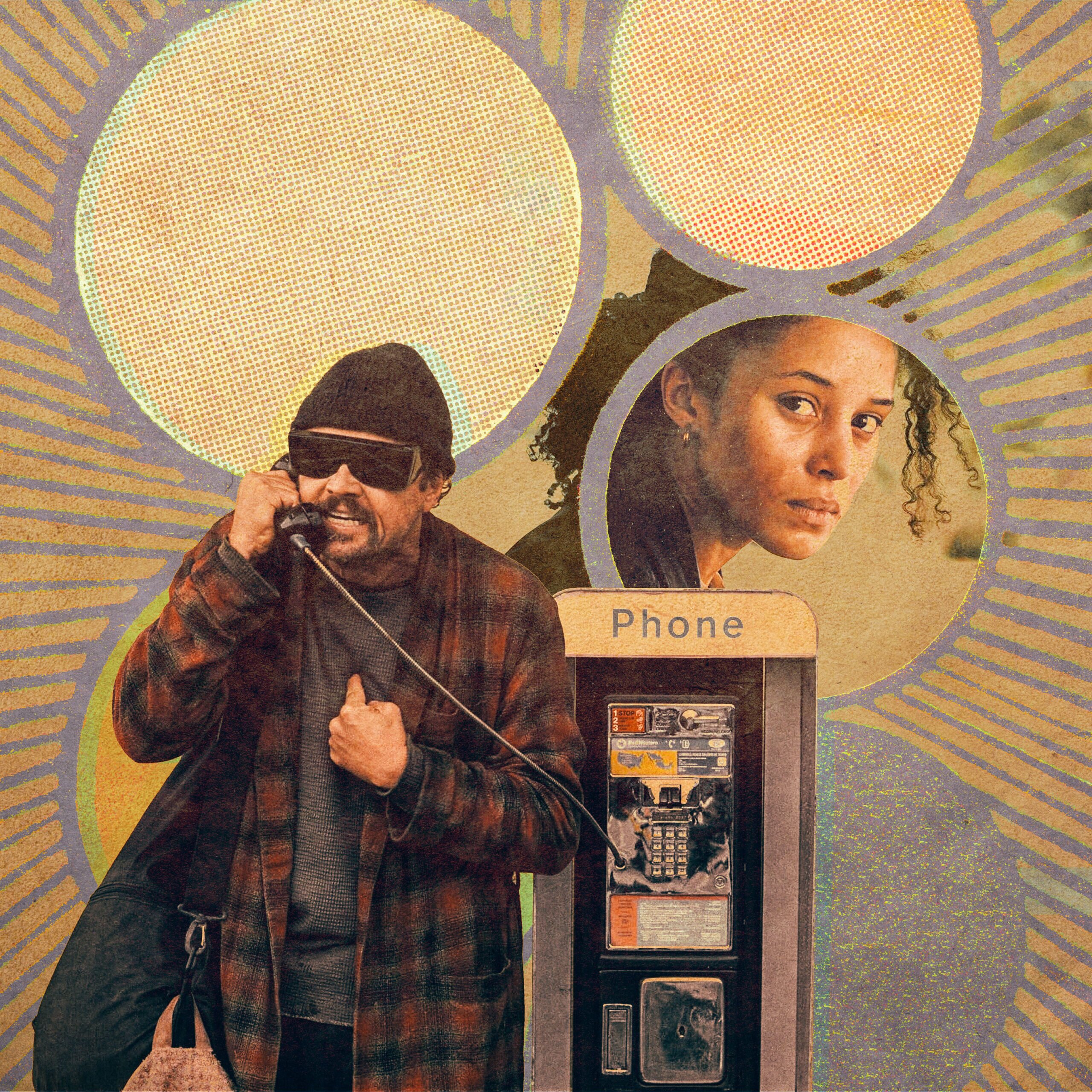
What One Battle After Another Is Really About
“It's less about plot than endurance — the accumulation of choices that wear a person down.”
Key takeaways
- Theme emerges from repetition: let routines and micro-obstacles accumulate.
- Visual motifs (doors, thresholds, corridors) can track agency gaining or slipping away.
- Analysis-ready films give audiences patterns to recognize without underlining them.
To-Dos
- Pick one motif for your feature (e.g., doorways) and plan 6 appearances that evolve meaning.
- Build a 2-minute 'routine' sequence that reveals character through micro-frustrations.
- In the grade, keep a subtle 'fatigue ramp' (cooler mids, flatter contrast) across acts.
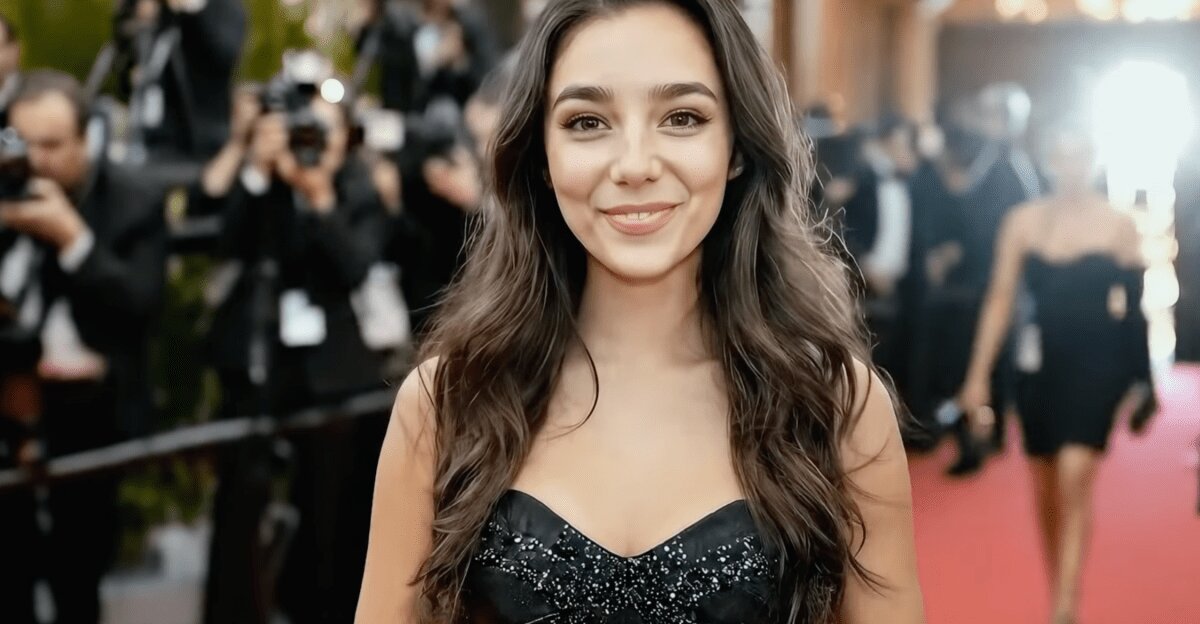
Tilly Norwood is a gen AI psyop
“The digital avatar's rollout feels like a stunt meant to normalize gen AI's creep into Hollywood.”
Key takeaways
- Synthetic performers will flood feeds; human specificity and provenance become selling points.
- Filmmakers can treat AI characters as design challenges (ethics, contracts, disclosure).
- Credit, consent, and compensation frameworks matter if you composite real and synthetic talent.
To-Dos
- Add a 'synthetic disclosure' line to your credits if any AI voices/faces are used.
- Draft a consent rider for performers covering training data and likeness boundaries.
- Produce one 30-sec proof-of-concept that contrasts an AI read with a human read—test with your audience.
Podcasts & Videos
The Big Picture - One Battle After Another Is a Modern Masterpiece
“This is the movie of the year ... a movie of this moment and of these really fucked-up five years that we in America have been living in, in a startling way.”
To-Dos
- Storyboard a chase or transition sequence that never cuts to black — track emotional movement through literal geography, as PTA does moving “from one physical destination to another.”
- Write a two-page father-daughter dialogue where ideology clashes with affection; keep politics subtextual, tenderness explicit.
- Stage and film a scene using only practical effects and natural motion to test how realism amplifies myth — no CGI, no score.
Eye of the Duck - One Cut of the Dead
“Don't cut. Don't stop rolling.”
To-Dos
- Rehearse a 5-minute one-take where the camera must keep rolling; design two planned 'mistake' beats and force on-the-fly recoveries.
- Run a chaos drill: mid-scene inject 3 derailers (prop fails, missed cue, sound hiccup) and train the crew to reframe, redirect, and continue in real time.
- Prototype a safe DIY elevation move (step-ladders + spotters or a painter's-pole rig); rehearse the hand-off and document a safety plan to get a 'crane-like' end shot.
Wreckin Shop (Live From Brooklyn)
“Brooklyn is a planet within itself — you're coming into a whole new planet.”
To-Dos
- Film a dance or movement scene in one uninterrupted take — let rhythm and breath dictate camera movement.
- Collect 10-second portraits of your local scene (faces, shoes, gestures) and cut them to live-recorded audio, no score.
- Document your own subculture — no talking heads, just movement, sound, and presence.
The Fire Next Time
“Every breeze carries a story — stay close, and we might hear him.”
To-Dos
- Animate a single natural element (wind, water, fire) as if it were a character with memory.
- Record elders or community voices and reimagine their words as visual motifs rather than narration.
- Build a 60-second sequence that layers realism and abstraction — the personal and the political in one visual breath.
Introducing Sora 2
“We were all a little bit skeptical of having an AI-generated feed and what that would feel like — whether you'd lose touch with actual human connections. But once we started using it, it felt like a new medium altogether.”
To-Dos
- Master your craft.
- Be deeply skeptical.
- Don't be afraid.

Duke City with Robert Luke - DUST WAVE
“No one's giving us anything. We got to go out and get it.”
To-Dos
- Map a 30-day micro-fundraising stack: friends-and-family outreach + a small merch drop + one community screening; set a $1–2k target and a single-page budget.
- Start a biweekly table-read night (4 sessions) where members rotate roles and mentor first-time writer-directors.
- Plan a playful fundraiser night (shorts + on-stage mini-competitions); secure a low-cost venue and sell $1 props/tokens to boost donations.
The Tiger - Presented By Gucci
“Don't try to negotiate with it like you always do. Just let it devour you completely.”
To-Dos
- Shoot a short where desire and danger share the same frame — light for beauty, block for threat.
- Build a scene around a single metaphorical animal (real or implied) and let it guide the emotional rhythm.
- Create a branded or commissioned piece that still feels like personal cinema — one image that says 'I made this,' not 'they paid for this.'
Trailers
Dir. David Osit, 96 min
United States, Documentary
In theaters September 19, 2025
Starring Bryce, Chris Hansen, Dani Jayden
Dir. Edgar Wright
United States, Action / Adventure / Sci-Fi
In theaters November 14, 2025
Starring Josh Brolin, Glen Powell, Lee Pace
Dir. Lotfy Nathan
United Kingdom, Horror
In theaters August 14, 2025
Starring Nicolas Cage, Noah Jupe, FKA twigs
Dir. Lucrecia Martel, 119 min
Argentina, Documentary
In theaters October 25, 2025
Starring Comunidad Chuschagasta, Javier Chocobar
Dir. Nia DaCosta
United Kingdom, Horror / Thriller
In theaters January 16, 2026
Starring Jack O'Connell, Ralph Fiennes, Alfie Williams
Italy, Biography / Drama / History
In theaters January 10, 2025
Starring Luca Marinelli, Francesco Russo, Barbara Chichiarelli
Dir. Paolo Sorrentino, 131 min
Italy, Drama
In theaters December 5, 2025
Starring Toni Servillo, Anna Ferzetti, Orlando Cinque
Dir. Mark Obenhaus, Laura Poitras, 115 min
United States, Documentary
In theaters August 31, 2025
Starring Seymour Hersh
And that's this week's digest. I want to give another special shout out to all of Dust Wave's amazing filmmakers -- we have a special group of creative folks that make movies no matter what. Beauty and joy is our pursuit.
As always, everything we share is chosen with the same compass: collectivity over ego, experiments over formulas, access over gatekeeping.
Keep making what only you can make, keep passing the torch sideways, and keep stitching together the world we actually want to live in.