DIY Filmmaker Digest 6 -- Week of November 7, 2025
PermalinkA fresh roundup of links, interviews, and news for DIY filmmakers.
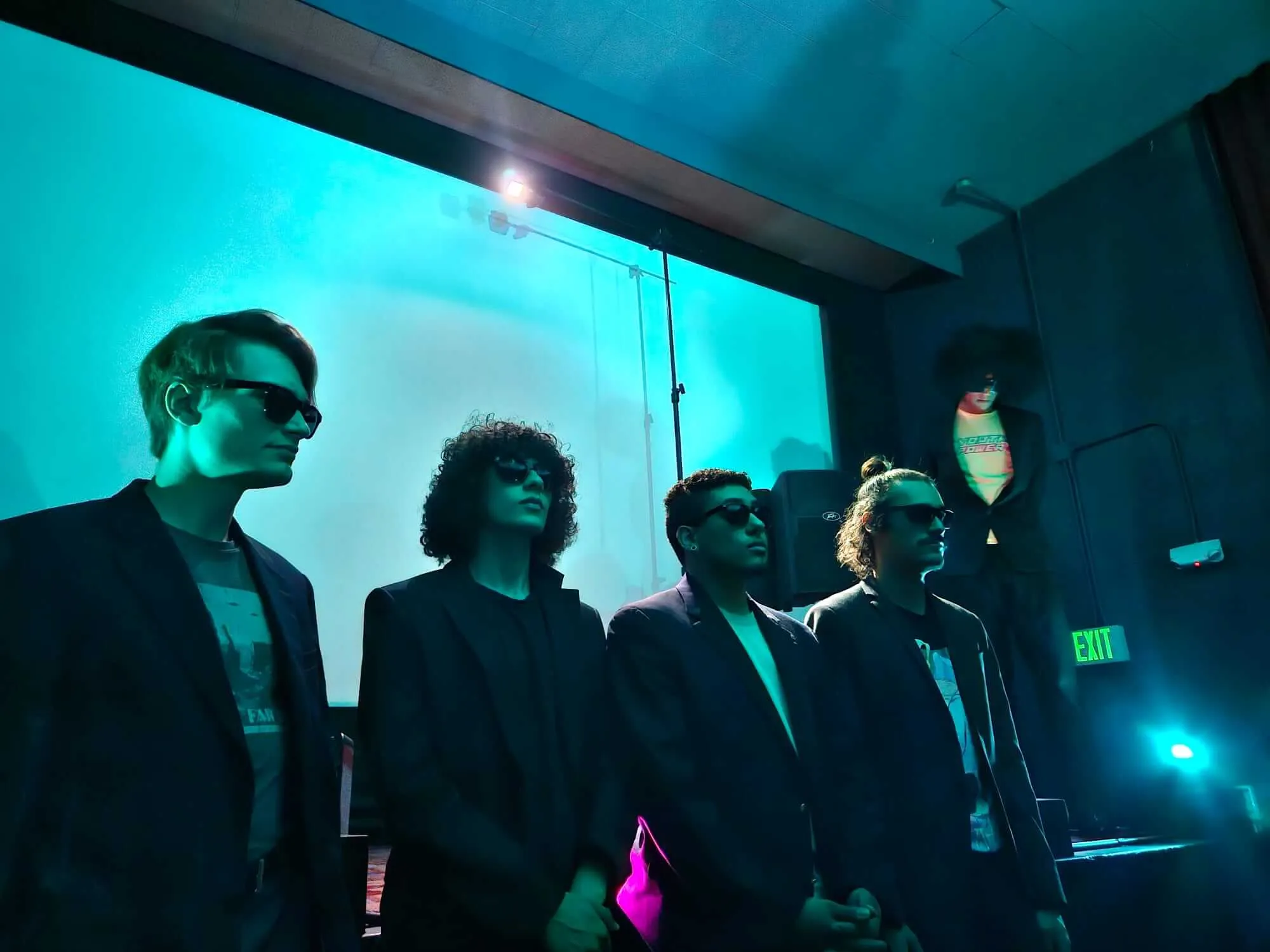
Welcome to this week’s DIY Filmmaker Digest — part syllabus, part mixtape, part fever dream of cinema’s shifting ground. Below you will find: essays and interviews that ask what artists are tinkering with, what systems are breaking, and how you might improvise your own way forward. There’s a mild New Mexico bias, plus podcasts, videos, and trailers to keep your queue weird and your outlook restless.
But first, a little business: we have a Kickstarter live right now for a future Dust Wave project -- our friend Melissa Flores needs your help to get Tethered Girl funded! Melissa is a Mexican-American filmmaker and Tethered Girl is her latest short film, a fantasy western performed entirely in Spanish with an all-Spanish-speaking crew! Don't worry gringos, there will be English subtitles 😉. Support Melissa and Tethered Girl!
Also -- we're showing Rosemary's Baby at the Guild Cinema! Come join us on November 7th at 10:30pm for a screening of the 1967 psychological horror classic -- buy a ticket here.
And now, the digest:
Articles

YouTube Just Ate TV. It's Only Getting Started
“The future of TV isn't TV. It's YouTube.”
Key takeaways
- YouTube's ascent signifies a shift in power dynamics from traditional gatekeepers to creators and audiences.
- The democratization of media on platforms like YouTube challenges the status quo of corporate filmmaking.
To-Dos
- Audit your last 5 videos: which got shared vs. which got algorithmed into oblivion, and why.
- Craft a content strategy that plays to YouTube's strengths: community engagement and niche audiences.
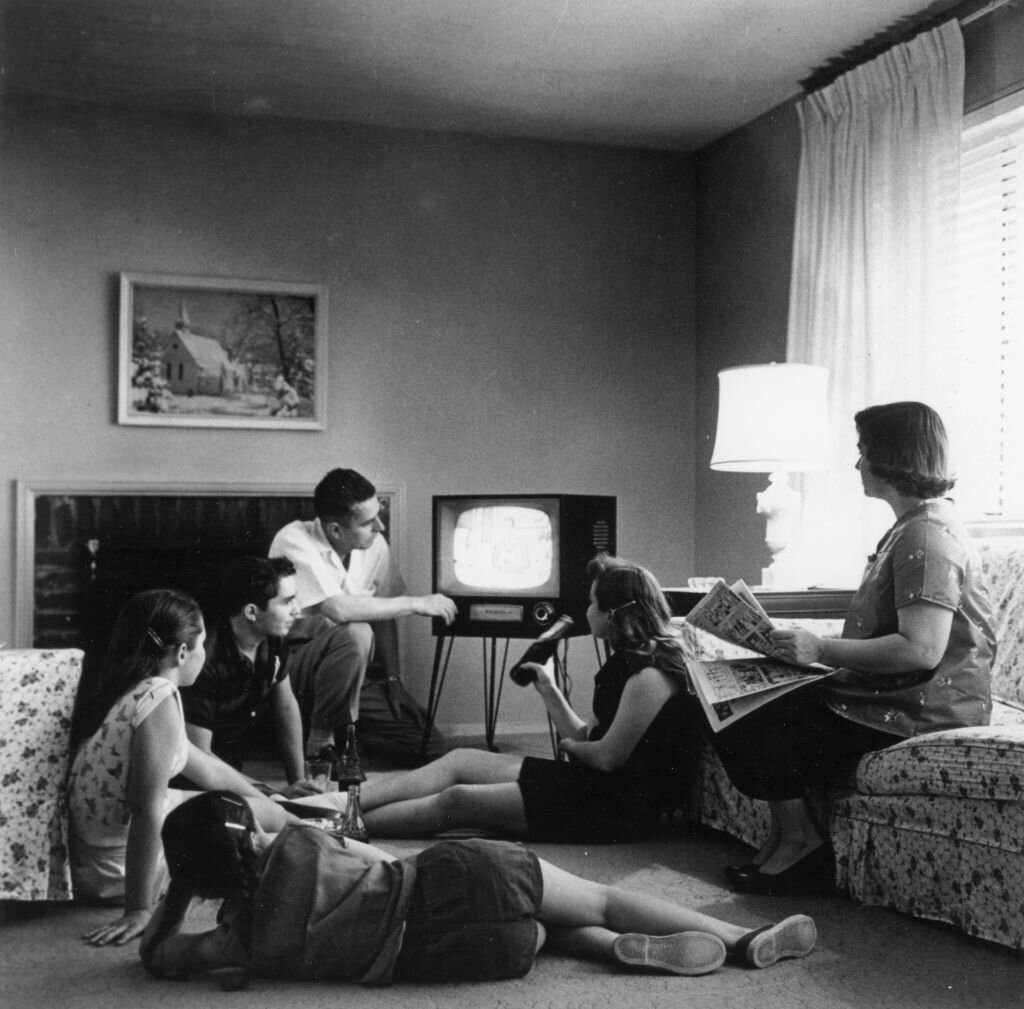
Podcasts Are Not Television
“Podcasts are not television, and to think of them in television terms is to do them a disservice.”
Key takeaways
- Podcasting as a medium offers unique narrative possibilities separate from visual storytelling.
- Leveraging the strengths of podcasts can enhance and diversify filmmakers' storytelling toolkit.
To-Dos
- Outline a companion podcast for your current film project to explore its themes or backstories in depth.
- Listen to three podcasts that are radically different in format or content from anything on TV to identify unique storytelling methods.
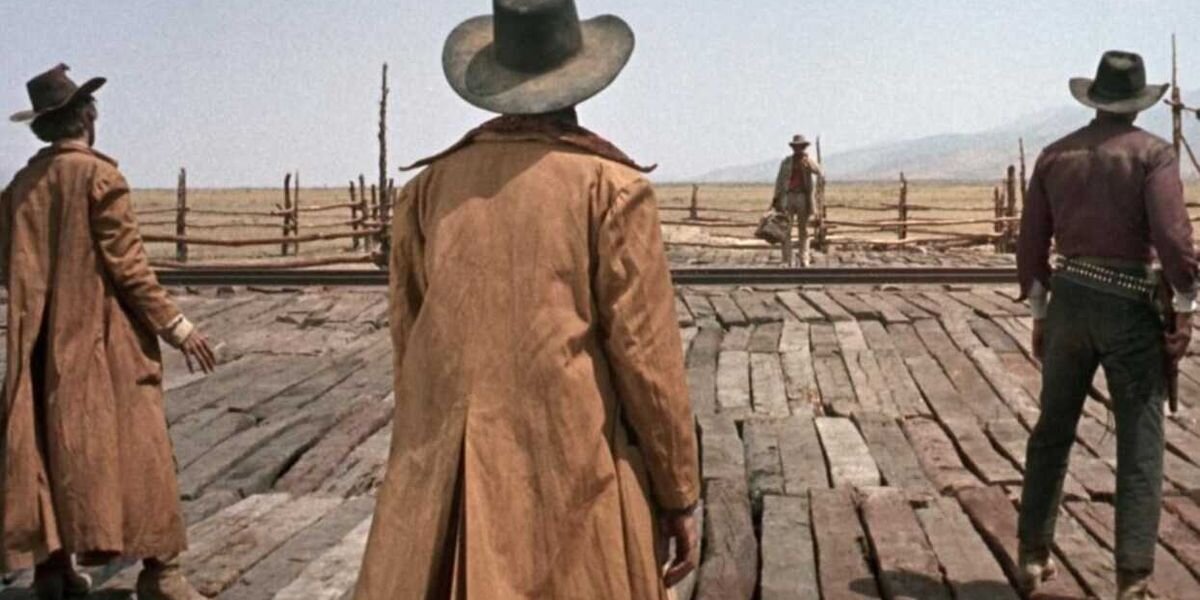
When Silence Speaks Louder Than Bullets: The Genius of Leone's Opening Sequence
“Leone's patience building suspense is unmatched.”
Key takeaways
- Masterful suspense and storytelling often break away from industry conventions.
- Iconic cinema moments can be achieved through patience and subversion of expectations.
To-Dos
- Experiment with a scene that prioritizes atmospheric tension over dialogue, focusing on visual storytelling.
- Analyze Leone's opening sequence in 'Once Upon a Time in the West' for pacing and suspense techniques, then apply a similar approach to a short film or scene.
SAG-AFTRA Launches Vertical Agreement for Microdramas
“The microdrama agreement is designed to promote and incentivize the creation of short form content.”
Key takeaways
- Emerging formats like microdramas represent new opportunities for independent filmmakers to gain recognition.
- Microdramas signal that unions recognize short-form as legitimate work, not just content mill fodder.
To-Dos
- Develop a short form or microdrama project specifically designed for social media platforms.
- Research and understand the SAG-AFTRA microdrama agreement to see how it could benefit your next project.
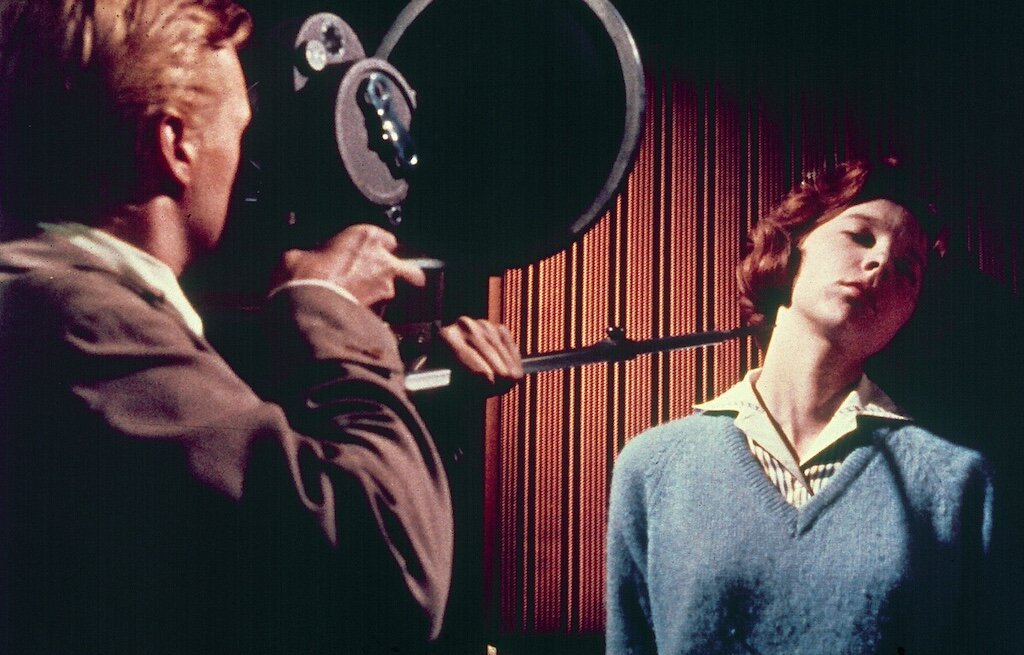
1960: The Year the Modern Horror Film Was Born
“A combination of the breakdown of the Hollywood studio system, the decline of censorship, and the rise of wildly -- and luridly -- creative filmmakers across the world looking to cash in on sex and violence made 1960 the year of the modern horror film.”
Key takeaways
- Historical context is key to understanding and innovating within a genre.
- Studying genre origins reveals how filmmakers weaponize form against audience expectations.
To-Dos
- Watch three horror films from 1960 and note how they broke from past conventions, considering how you can apply similar innovation.
- Write a brief analysis of a modern horror film, focusing on its historical influences and innovations.
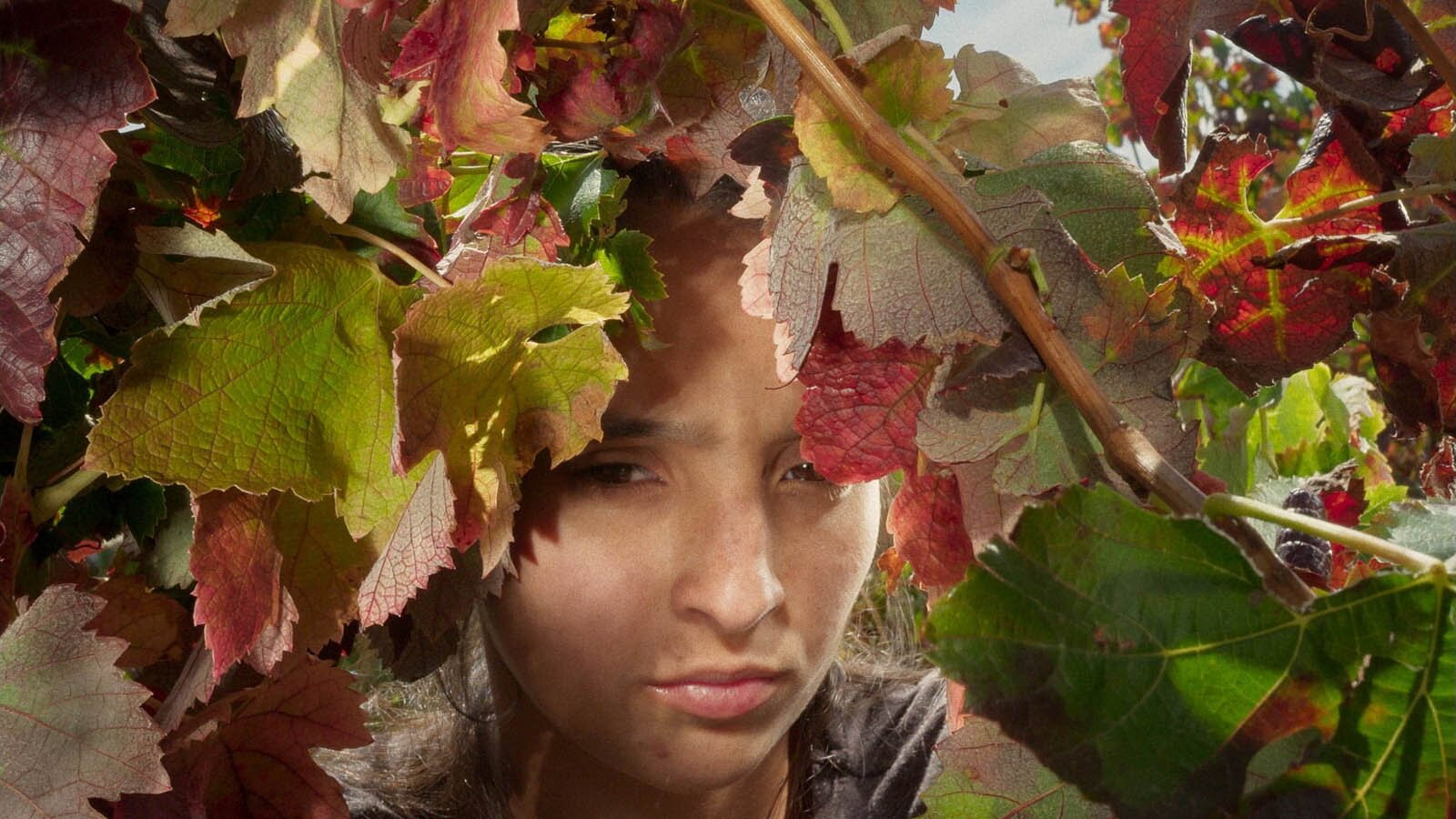
Marta Mateus: Under the Sun and Moon
“Mateus's films are a reminder that cinema can still be a place of radical empathy.”
Key takeaways
- Films have the power to evoke deep empathy, altering perceptions and challenging biases.
- Radical empathy in cinema requires giving up control and listening more than directing.
To-Dos
- Plan a short film project that aims to foster empathy for a community or situation outside your own experience.
- Conduct interviews or research to authentically capture the emotions and experiences you aim to portray.
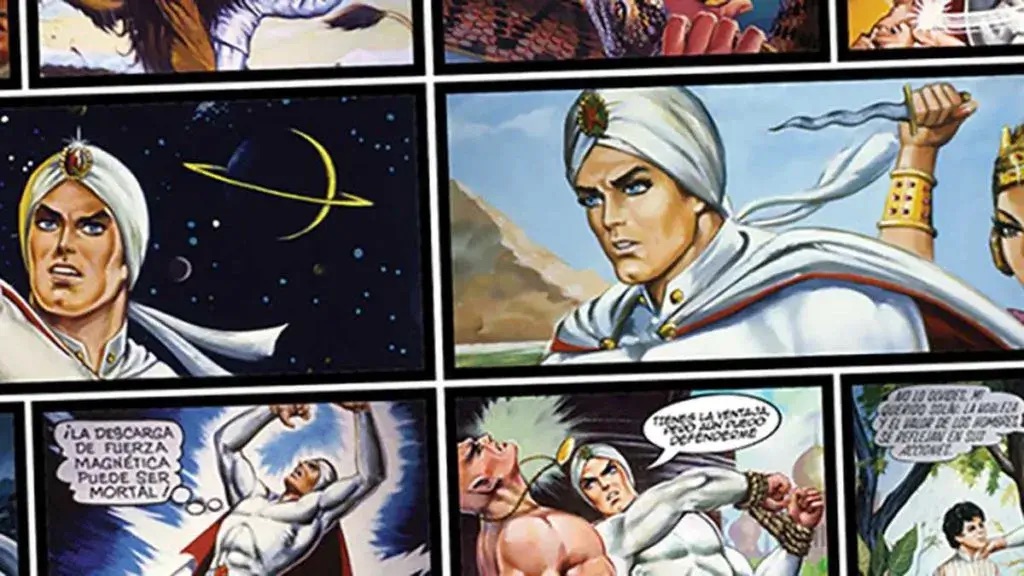
The Golden Age of Mexican Comic Books
“In the 1970s, Mexico's comic book industry was the second largest in the world.”
Key takeaways
- Massive industries can thrive outside the Hollywood model, powered by local culture and demand.
- Looking beyond American-centric narratives can unearth rich, untapped storytelling veins.
To-Dos
- Dive into the history of a non-English-speaking country's film or comic book industry for fresh narrative inspiration.
- Identify a cultural or historical event from another country that could inform or inspire your next film.
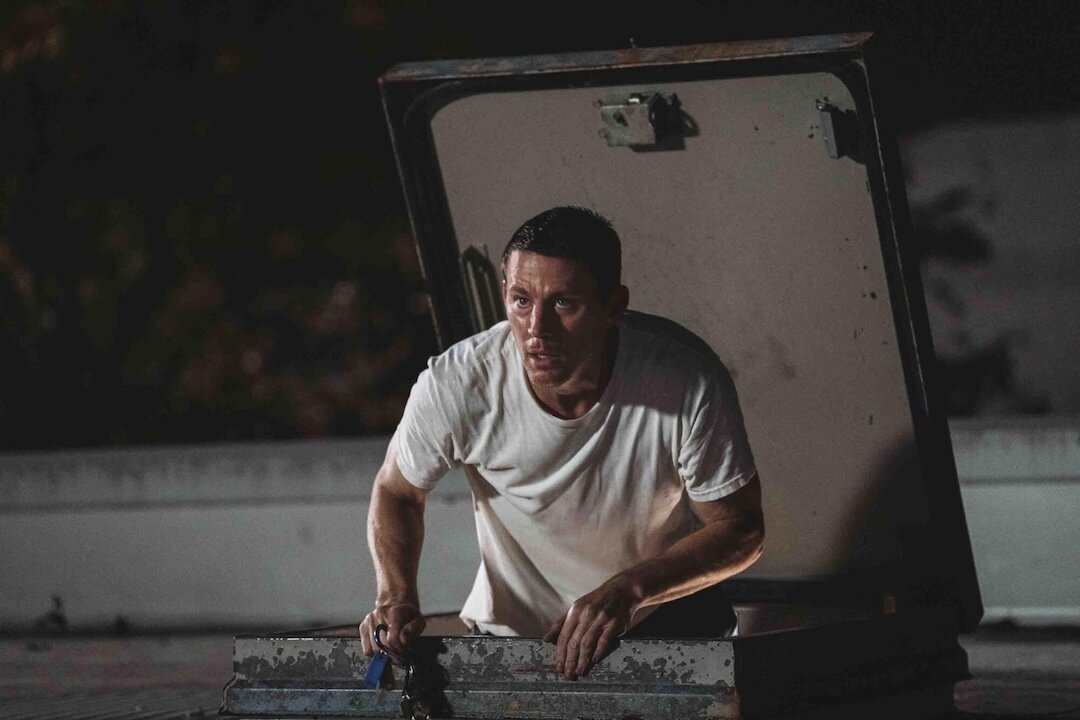
Channing Tatum's Roofman Is a Bummer of a Feel-Good Movie
“Roofman is an attempt to make us feel good about a system that's inherently unjust.”
Key takeaways
- Film can often cloak systemic issues in feel-good narratives, obscuring underlying injustices.
- Authentic storytelling requires a critical examination of the narratives we choose to amplify.
To-Dos
- Rewrite a scene from your work to challenge rather than reinforce a systemic issue.
- Critically analyze a popular film's portrayal of societal issues, then discuss your findings in a filmmaker's group.
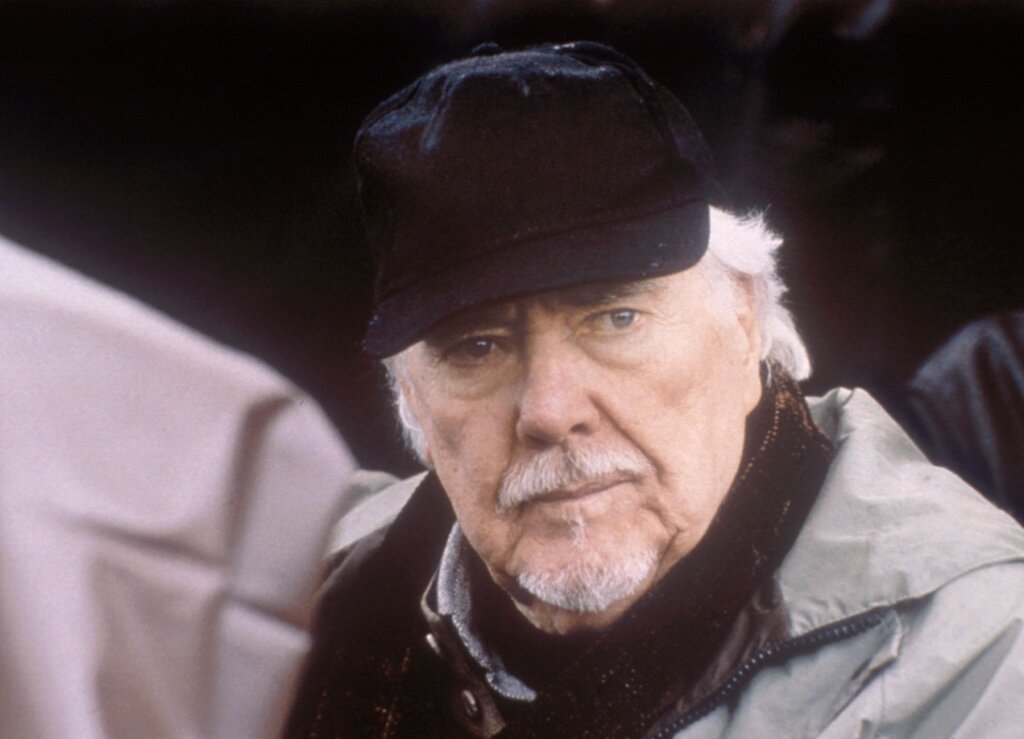
Hollywood Could Use Another Robert Altman Right Now
“Altman's career is a testament to the idea that you can do great work within a system that often seems designed to prevent it.”
Key takeaways
- Navigating restrictive systems without compromising creativity is possible but requires resilience.
- Altman proved you can subvert Hollywood from within -- but it requires both talent and tenacity.
To-Dos
- Identify three ways you can circumvent or creatively engage with systemic barriers in your next project.
- Study the career of a filmmaker like Altman who worked within and against Hollywood norms to find inspiration for navigating the industry.
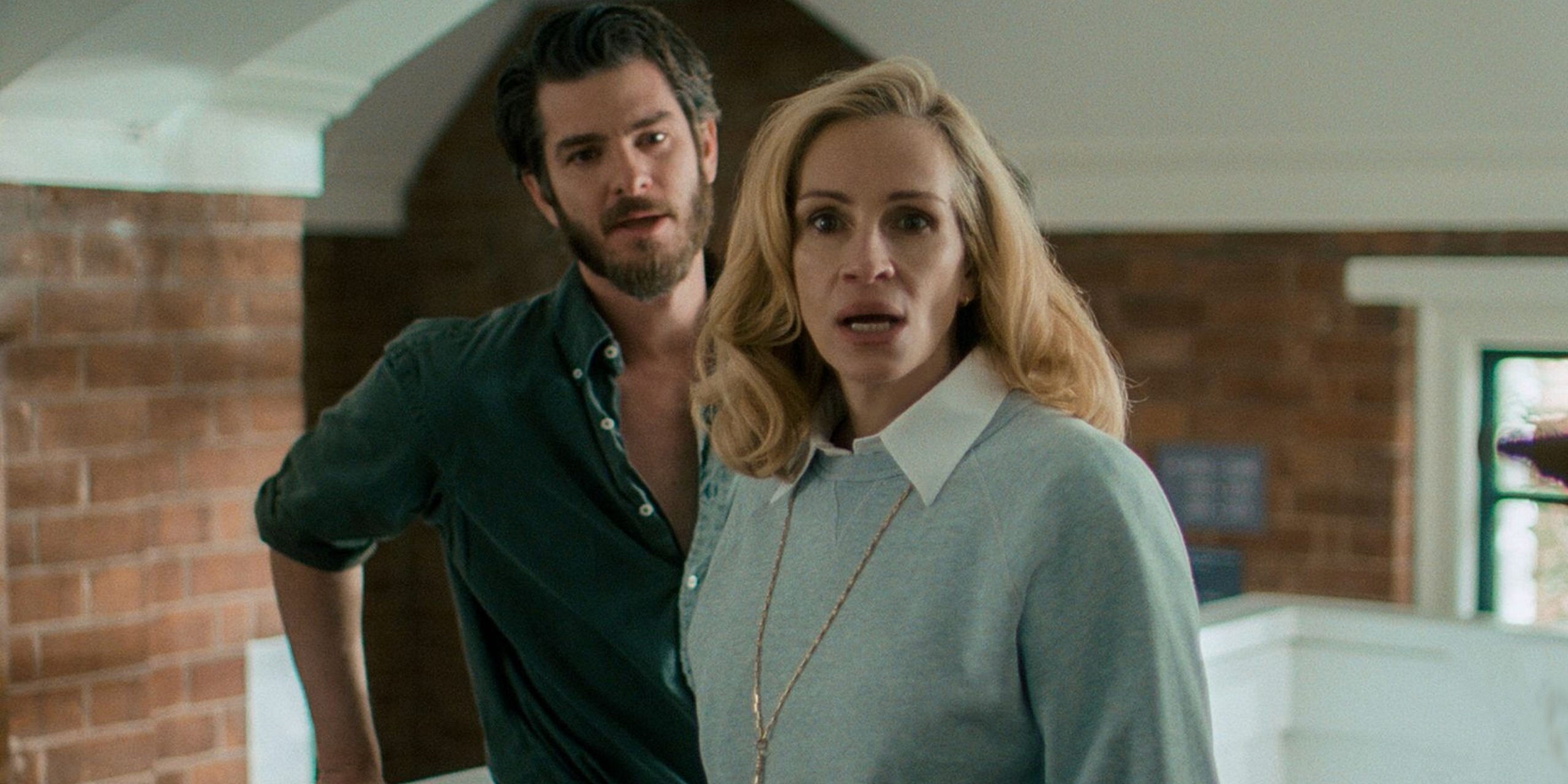
What Even Is After the Hunt?
“The show's lack of a clear point of view is one of its most glaring weaknesses.”
Key takeaways
- A solid, unique point of view is crucial for a film's identity and audience connection.
- A film without a clear POV is propaganda for the status quo by default.
To-Dos
- Host a feedback session for your current script or film cut to ensure your point of view is coming through clearly.
- Rewrite a key scene to more strongly reflect your film's point of view, focusing on how this perspective influences the narrative.
Inside the Gauntlet: What Really Happened When I Entered the $380 Non-Competition
“The competition was not what it seemed, but it was still worth it.”
Key takeaways
- The value of film competitions extends beyond winning; networking and experience are key.
- Film competitions are networking gigs disguised as meritocracies -- treat them accordingly.
To-Dos
- Identify and enter a film competition with the goal of networking and learning, regardless of winning.
- Reach out to past participants of a competition you're interested in for insights and advice on making the most of the experience.
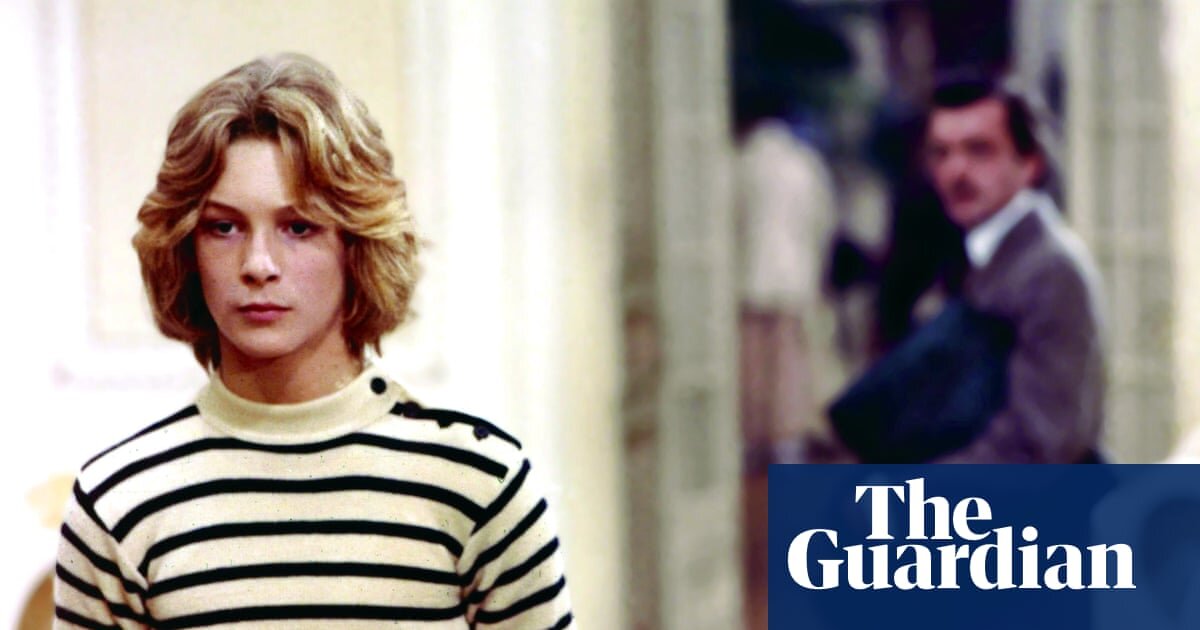
Björn Andrésen Obituary
“Andrésen's life was marked by the contrasts of beauty and tragedy.”
Key takeaways
- The complexities of human experience can deeply influence an actor's craft and the roles they embody.
- Actors' personal trauma shouldn't be exploited for realism -- but their lived experience should inform character depth.
To-Dos
- In your next film, incorporate actors' personal experiences into their character development process.
- Facilitate a workshop with your actors to explore how their personal histories can inform their performances.
Podcasts & Videos
The Movies That Made Me - Eddington Writer/Director Ari Aster, Part 2
“For me, the stupider, the better.”
To-Dos
- Incorporate a mix of high and low humor into your projects to add depth and appeal.
- Embrace gallows humor and squalid elements in sophisticated narratives for dynamic storytelling.
Eye of the Duck - Late Night with the Devil
“Capturing that haunted spirit is not an easy thing.”
To-Dos
- Explore the potential of live TV broadcasts in creating immersive horror experiences.
- Investigate the impact of historical broadcasts like Ghostwatch on contemporary filmmaking.
The No Film School Podcast - Why the Austin Film Festival Is #1 for Screenwriters (and Could Texas Be #1 for Film Production?)
“The artist is not the beggar for the producer's attention.”
To-Dos
- Research producers who champion writer-driven projects, not just those who control purse strings.
- Write your next spec without catering to perceived market demands -- tell the story only you can tell.
When a Director Knows How to Start a Movie
“Every moment is designed to blend ideas, setting up lines of dialogue, shots or details that will click into place later.”
To-Dos
- Map out the 'click into place' moments of a movie you love. Identify at least 3 key setups and payoffs within the first 30 minutes, then apply a similar structure to your current project.
- Host a workshop with fellow DIY filmmakers to dissect and discuss the exposition of a well-regarded film. Use Fight Club as a case study to understand how the introduction can make or break audience engagement.
- Experiment with non-linear storytelling in your next script or film project. Draft a scene that could work as a gripping opening and also tie back into your story's climax or resolution, mirroring Fight Club's technique.
You Must Remember This - John Waters: Subversion, Shock, and the Ultimate Outsider
“John Waters was arrested for indecent exposure while making his first movie.”
To-Dos
- Get guerrilla with your next shoot. Plan a scene that flirts with the edges of acceptability in public spaces -- just be sure to know your legal limits.
- Cast against type for a small but pivotal role in your project. Think of how John Waters used a mix of professional and non-professional actors to create a unique on-screen chemistry.
- Host a DIY film screening night featuring works that were made for shockingly low budgets. Use it as an opportunity to discuss different techniques for maximizing limited resources.
Twenty Thousand Hertz - "In a World ..." The Epic Evolution of Movie Trailers
“It's very clear on what the plot is.”
To-Dos
- Incorporate a clear and concise plot summary into your movie trailers to ensure the audience understands the storyline.
- Use modern sound design techniques, like reimagined classic songs, to add a unique and contemporary feel to trailers.
Cannonball with Wesley Morris - A Horror Movie Halloween Special: The Dread Under the Bed
“Dread is much more ... existential.”
To-Dos
- Differentiate between dread and suspense in your horror storytelling to enhance emotional impact.
- Utilize children's perspectives to tap into fundamental fears and relate to the audience.
Trailers
Dir. Geeta Gandbhir, 96 min
United States, Documentary, Crime, Drama
In theaters October 17, 2025
Dir. Pasqual Gutierrez, Ben Mullinkosson, 86 min
United States, N/A
In theaters January 27, 2025
Starring Pasqual Gutierrez, Christine Yuan, Raul Sanchez
Dir. Tamara Kotevska, 80 min
North Macedonia, Documentary
In theaters August 29, 2025
Dir. Osgood Perkins, 99 min
United States, Horror
In theaters October 3, 2025
Starring Tatiana Maslany, Rossif Sutherland, Birkett Turton
Dir. Kirill Serebrennikov, 135 min
France, Biography, Drama, History
In theaters October 22, 2025
Starring August Diehl, Dana Herfurth, Burghart Klaußner
Dir. Ildikó Enyedi, 147 min
Germany, N/A
Release: TBD
Starring Tony Leung Chiu-wai, Luna Wedler, Enzo Brumm
Dir. Paul Gandersman, Peter S. Hall, 84 min
United States, Horror, Mystery
In theaters June 8, 2025
Starring Brian Villalobos, Kelsey Pribilski, William Magnuson
And that's this week's digest. I want to give another special shout out to all of Dust Wave's amazing filmmakers -- we have a special group of creative folks that make movies no matter what. Beauty and joy is our pursuit.
I don't have a Letterboxd or anything, but here are a few movies I've watched (or rewatched) and enjoyed recently:
As always, everything we share is chosen with the same compass: collectivity over ego, experiments over formulas, access over gatekeeping.
Keep making what only you can make, keep passing the torch sideways, and keep stitching together the world we actually want to live in.