DIY Filmmaker Digest 7 -- Week of November 23, 2025
PermalinkA fresh roundup of links, interviews, and news for DIY filmmakers.
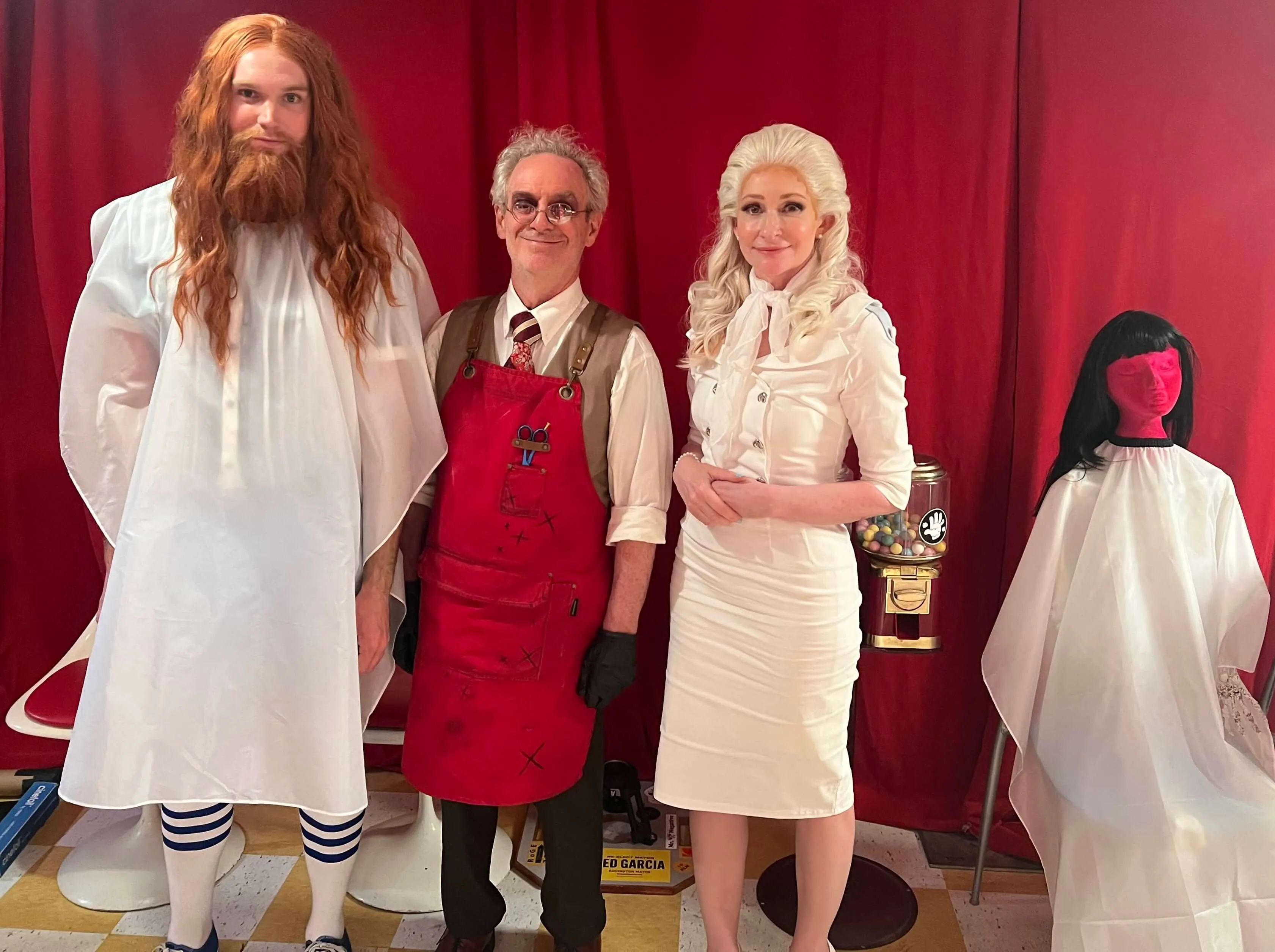
Welcome to this week’s DIY Filmmaker Digest — part syllabus, part mixtape, part fever dream of cinema’s shifting ground. Below you will find: essays and interviews that ask what artists are tinkering with, what systems are breaking, and how you might improvise your own way forward. There’s a mild New Mexico bias, plus podcasts, videos, and trailers to keep your queue weird and your outlook restless.
But first, a little business: we have a Kickstarter live right now for a future Dust Wave project -- our friend Melissa Flores needs your help to get Tethered Girl funded! Melissa is a Mexican-American filmmaker and Tethered Girl is her latest short film, a fantasy western performed entirely in Spanish with an all-Spanish-speaking crew! Don't worry gringos, there will be English subtitles 😉. Support Melissa and Tethered Girl!
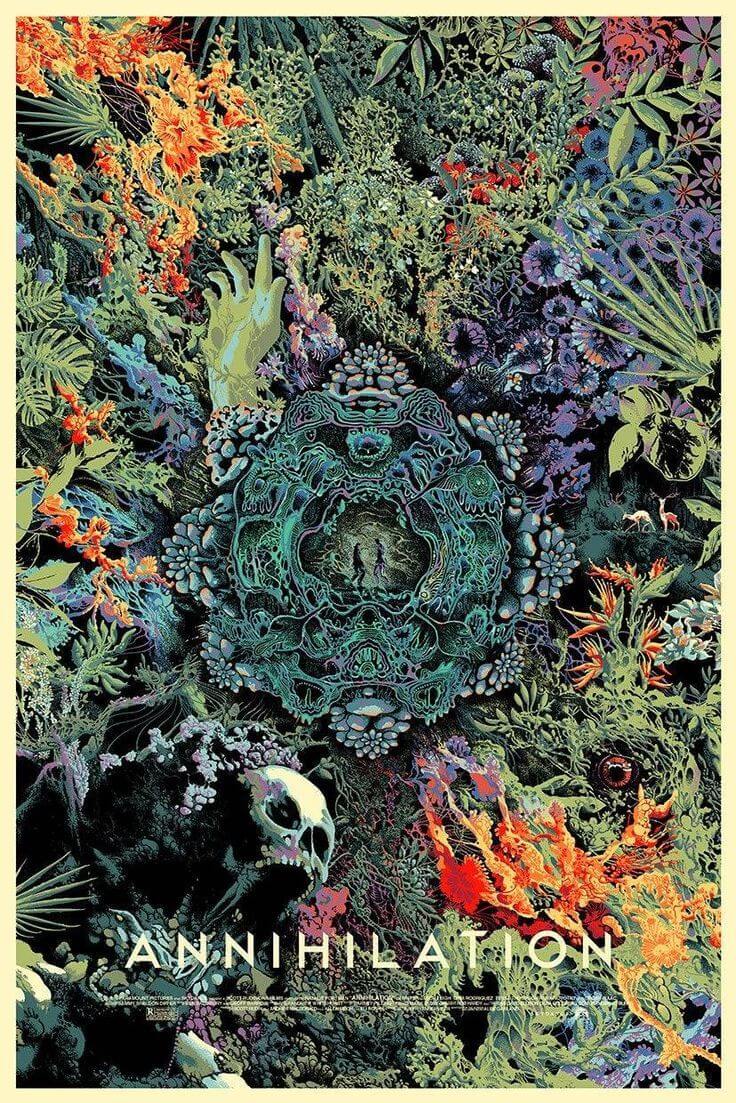
Also -- we're showing Annihilation! Come join us on December 12th at 10:30pm at the Guild Cinema for a screening of the 2018 sci-fi horror classic -- buy a ticket here.
And now, the digest:
Articles
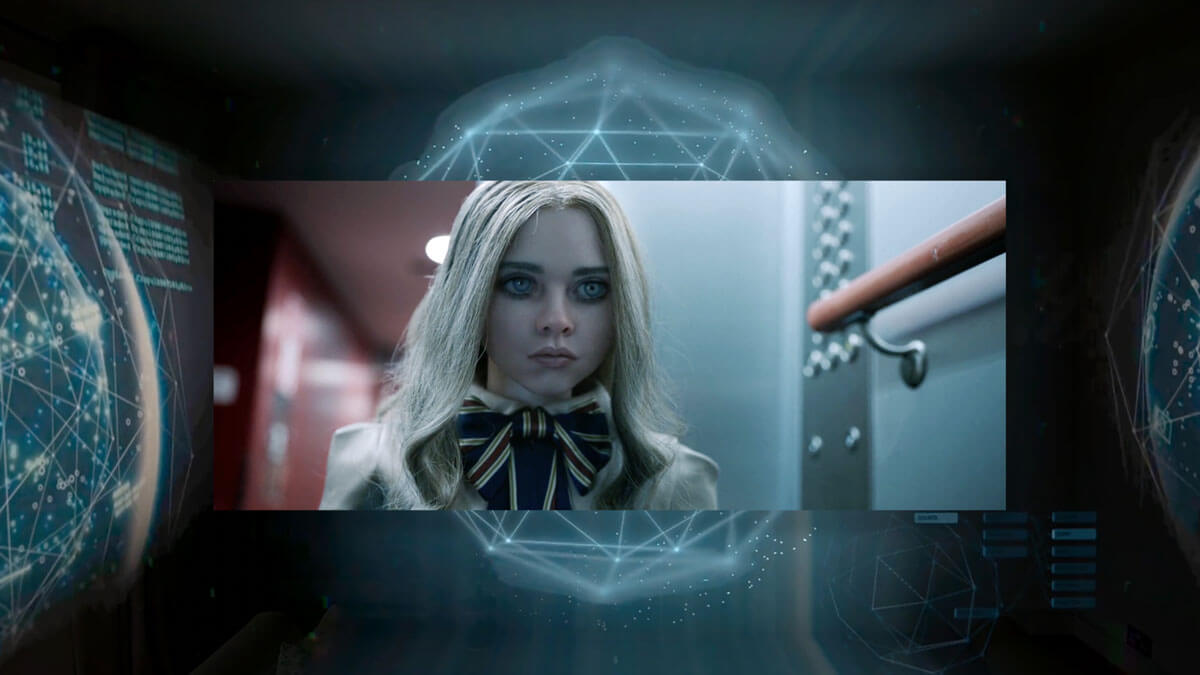
A Spookier Halloween with Blumhouse Enhanced Cinema
“While developing the experience, we focused on amplifying each original filmmaker's intent, not competing with the film.”
Key takeaways
- Enhanced experiences are sold as a way to serve the filmmaker, yet real leverage sits with whoever controls the tools, the data and the pipelines.
- The shine of "enhanced cinema" can hide the extra time, labor and technical risk handed to directors and crews who are already stretched thin.
To-Dos
- Sketch a simple map of your next project that shows who has creative power and who is doing the technical heavy lifting, then brainstorm one way to shift a bit more agency to the people doing the work.
Do Most Film Festivals Require Premiere Status?
“This data powerfully dispels the pervasive myth of the premiere requirement, confining it to the exclusive tier of festivals where it truly matters.”
Key takeaways
- The idea that every festival cares about premiere status mostly serves the tiny slice of top tier events that benefit from that myth.
- Most festivals are far more interested in meaningful connection and good programming than in being first, which opens space for more generous, audience focused release plans.
To-Dos
- Pick three local or niche festivals that feel spiritually aligned with your film, and submit with the goal of starting conversations rather than chasing premiere labels.
- Plan a free or pay-what-you-can screening of your film in a community space or online, and treat it as both a feedback session and a way to build your own audience ecosystem.
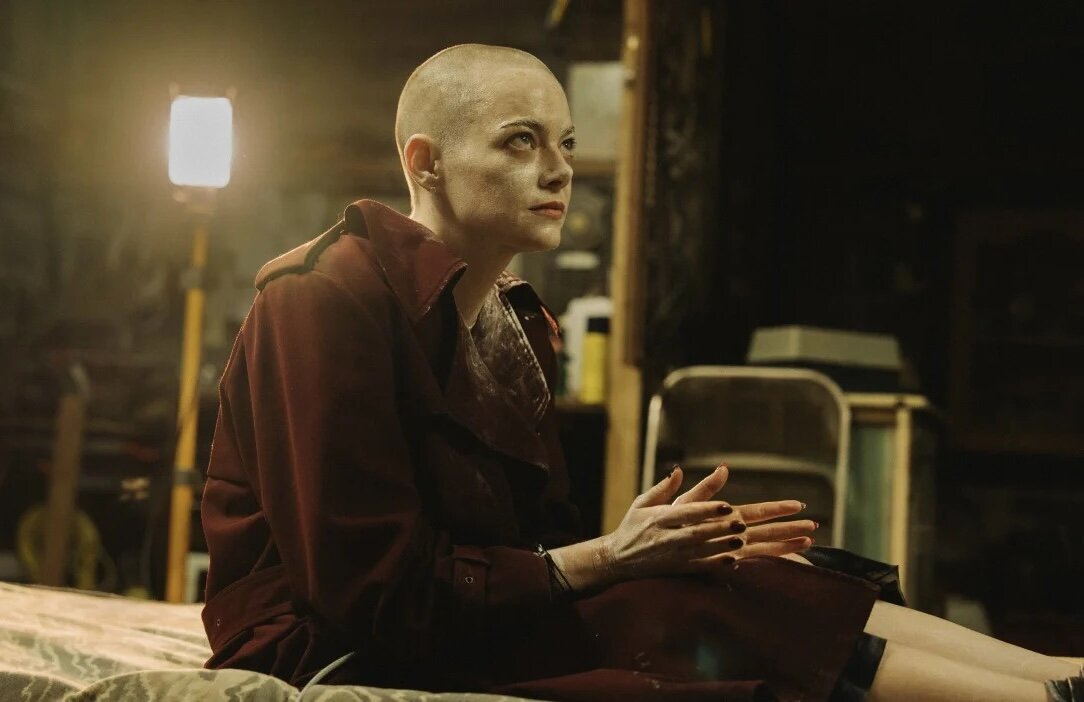
Bugonia Is Yorgos Lanthimos at His Best
“The fact is these characters share no common ground, not to mention that Michelle never argues in good faith.”
Key takeaways
- Corporate power loves the language of care and balance, even when that language is used to keep people compliant and quietly overworked.
- On screen debates that never truly connect can mirror our own political deadlocks, reminding filmmakers that there is value in writing scenes where characters actually listen and risk changing.
To-Dos
- Host a community screening of an anti-corporate film such as They Live and invite people to share what feels uncannily familiar about their own workplaces.
- Write a short script that pokes holes in one favorite film industry myth, like the lone genius director, and share it with your crew or collective for a playful group rewrite.
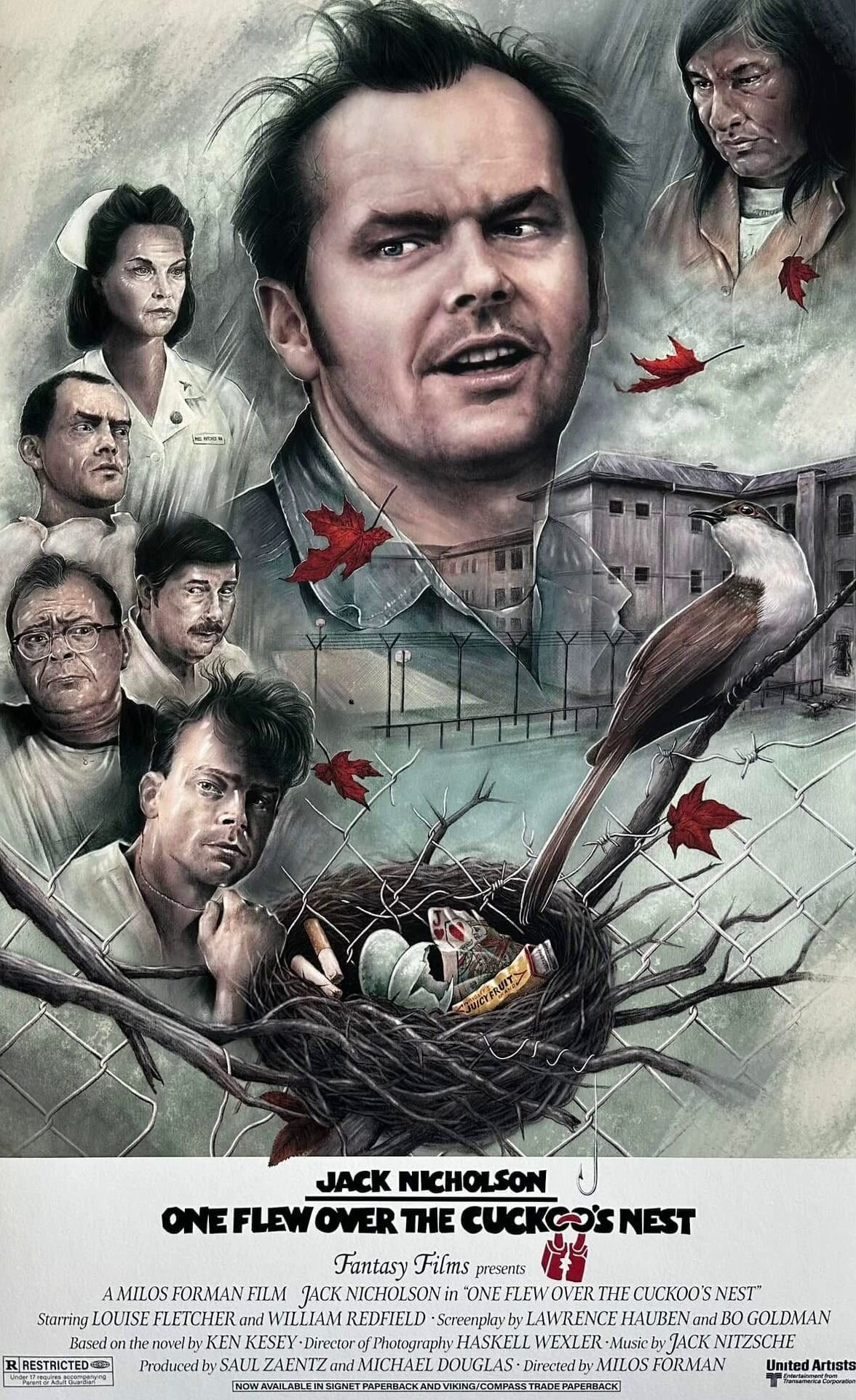
One Flew Over the Cuckoo's Nest at 50: Milos Forman's Mosaic of Brilliance with a Lesson Still as Important as Ever
“Why do we always end up being dictated to by these institutions? Like they own us... are paying us to serve them.”
Key takeaways
- The film’s journey from novel to classic reminds us how often money and institutional risk aversion lean on the scale, sometimes away from bold ideas.
- Forman’s work shows how cinema can stage small acts of rebellion inside rigid systems, which is still a useful blueprint for anyone trying to make art in a corporate shaped industry.
To-Dos
- Sketch a cooperative funding plan for your next project that invites local artists, small businesses and neighbors to share in both the risk and the rewards.
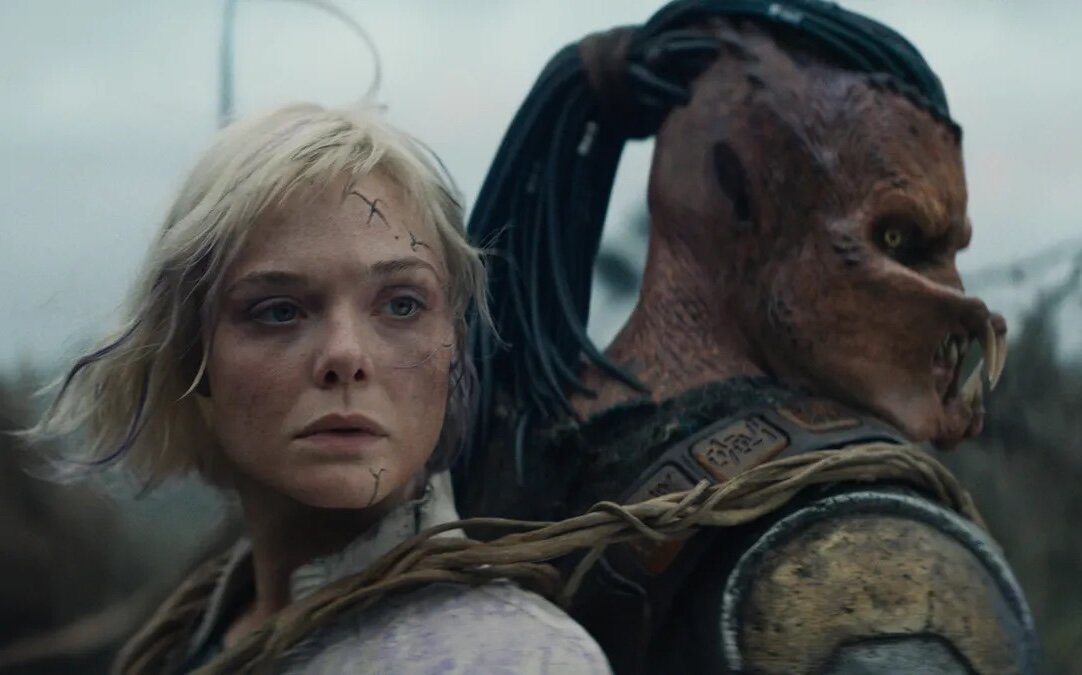
Predator: Badlands Keeps the Hunt Alive
“How long must we endure these total-eclipse-of-the-sun lighting schemes in Hollywood movies?”
Key takeaways
- Gorgeous images can be fun, but it is the clear, specific story beneath them that stays with people after the credits.
- Trendy looks that sacrifice legibility are a good reminder that style is best when it grows out of what the scene needs, not out of a current studio fashion.
To-Dos
- Pull out a script you love that someone once called too strange or too raw, and run a relaxed table read with friends to see what still sparks for you all.
- Set up a no-budget challenge in your community where everyone shoots a short on available light and locations, then share and celebrate the most inventive choices together.
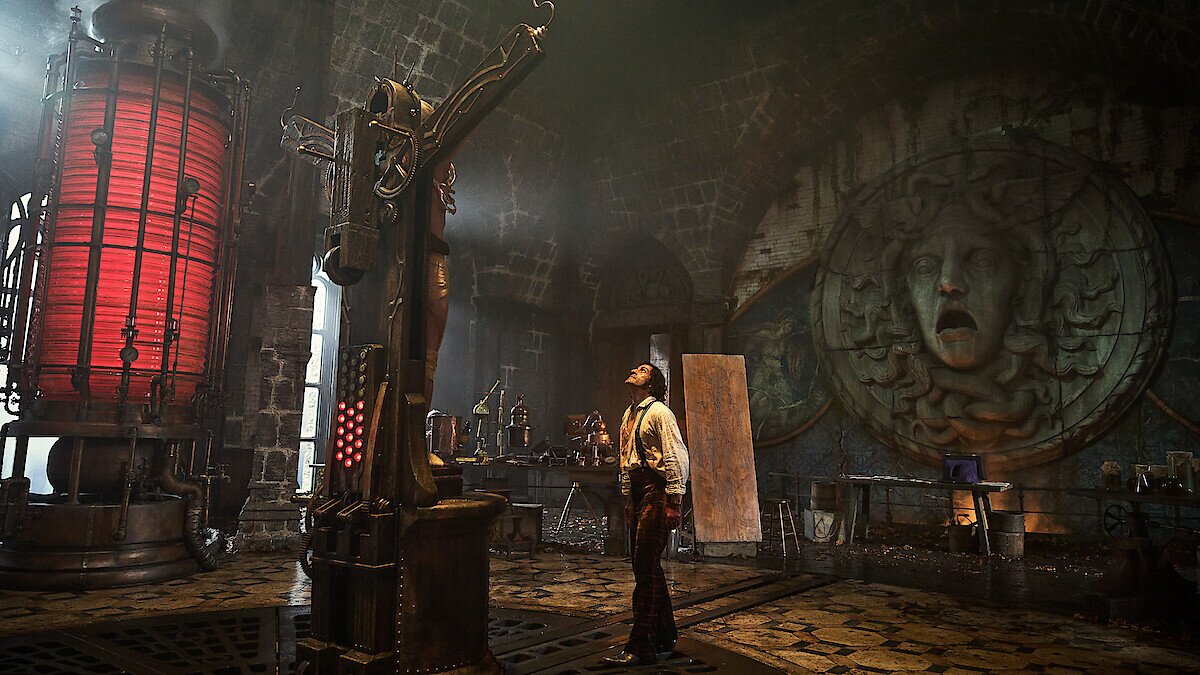
Guillermo Del Toro's Frankenstein Is Flawed Because His Creature Is Not
“By denying the Creature cruelty, he also deprives him of his humanity.”
Key takeaways
- In sanding off a character’s rough edges for mass appeal, big productions can lose the very contradictions that make someone feel real.
- The piece points to a larger pattern, where films hesitate to look directly at the darker parts of human nature, even though that is often where the most interesting stories live.
To-Dos
- Take one character from your current project and write down three risky or messy traits you have been avoiding, then keep at least one of them in your next draft.
- Invite a small group of filmmakers to a discussion night about flawed protagonists, and trade ideas for how you can keep your characters complicated without losing empathy.
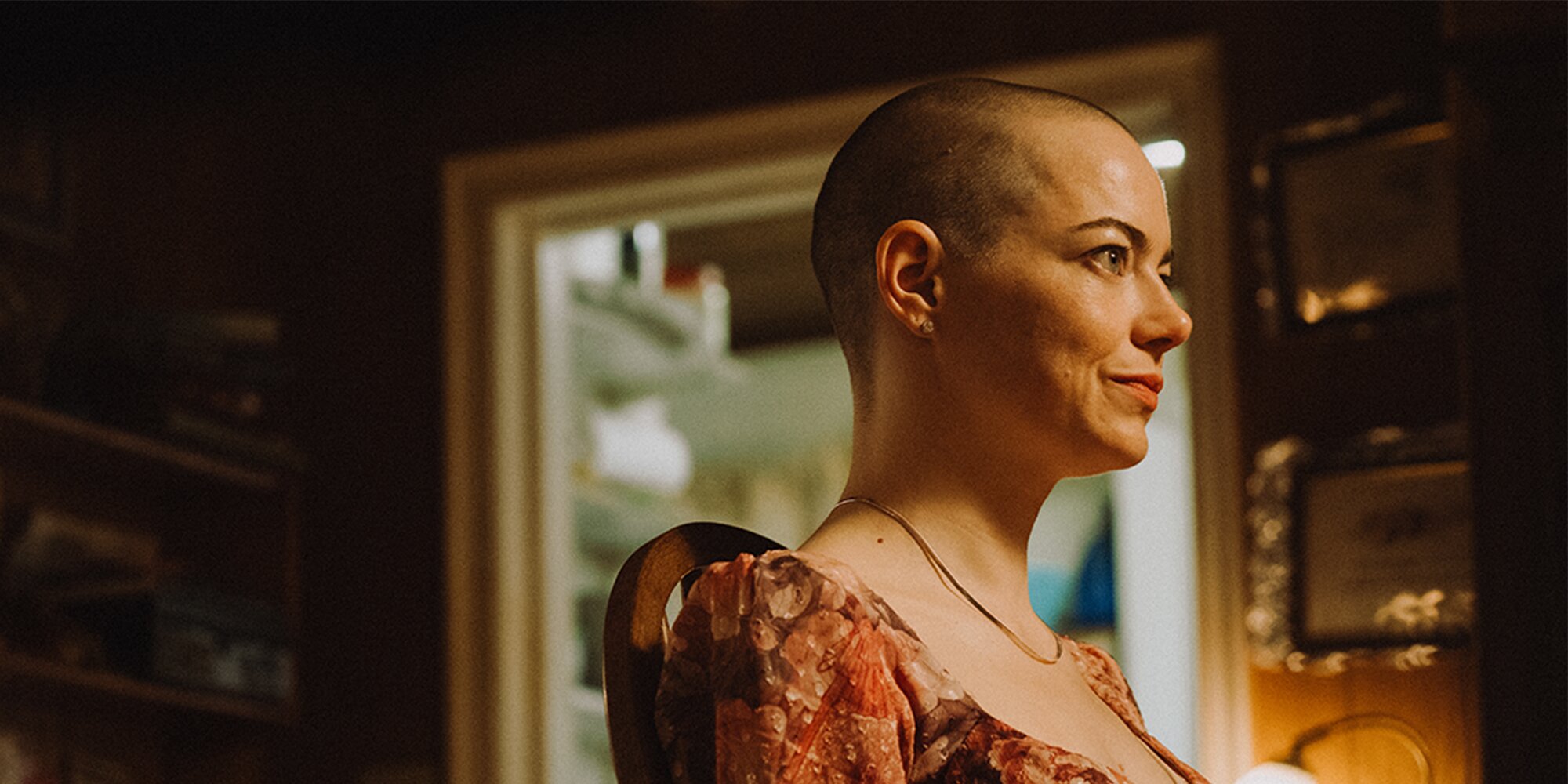
Bugonia Makes a Crash Landing
“The truth isn't out there -- it's right in front of our faces.”
Key takeaways
- The film’s allegory reflects a wider gap between how studio leaders live and the realities of the workers and audiences they profit from.
- Polished villains who stay charming while wrecking lives invite filmmakers to think carefully about whose perspective is centered and whose pain stays off screen.
To-Dos
- Outline a short that follows the invisible labor behind a glamorous industry, and try writing from the point of view of a worker who rarely gets their own story.
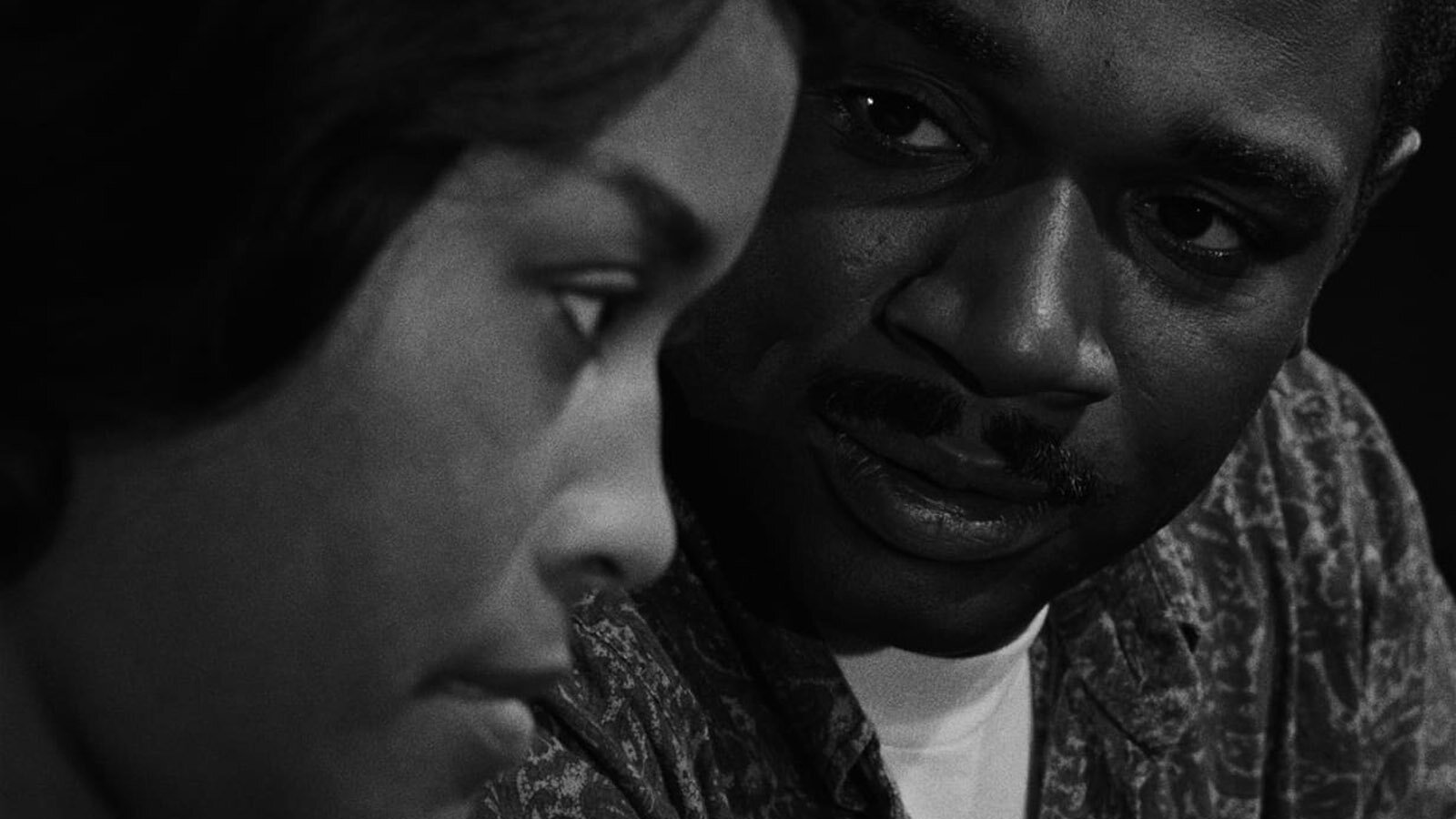
Arthur Jafa and Besidedness
“And I'm most intrigued by the forced structural relationship of entities who find themselves swept up in something that they didn't ask for, that they didn't conceive or even acquiesce to.”
Key takeaways
- The essay highlights how often artists are pulled into systems and expectations they never chose, which is exactly why truly independent spaces matter.
- Its critique of a star driven, name chasing culture is also an invitation to value work that feels alive over work that feels merely recognizable.
To-Dos
- Host a group watch of a film that was made outside big studio structures, then talk about which choices feel impossible inside more controlled environments.
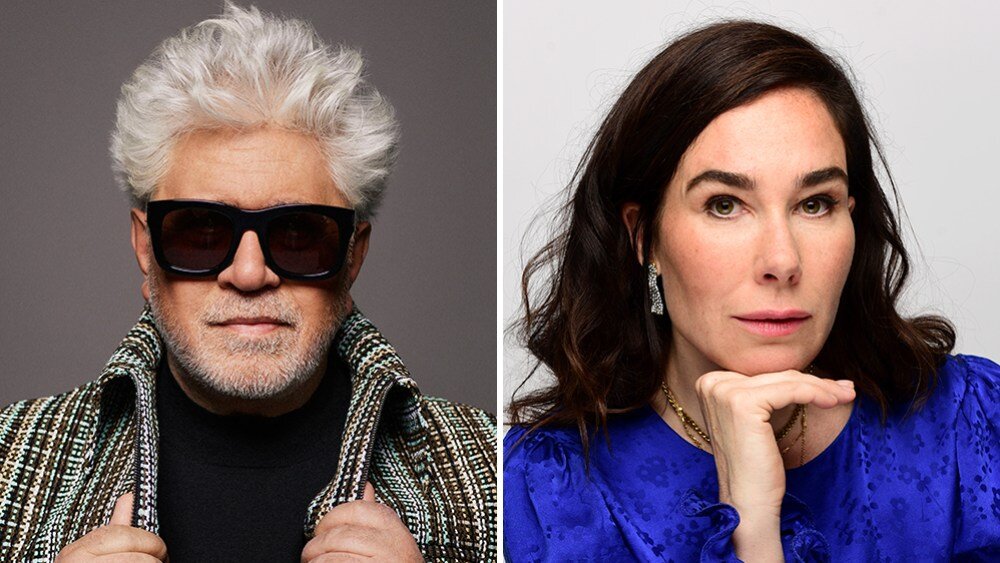
Pedro Almodóvar and Halina Reijn Directors on Director's Conversation
“True feminism is that we can be all those things.”
Key takeaways
- The conversation pushes back against narrow ideas of what women are allowed to be on screen, celebrating messy, joyful and contradictory roles instead.
- Both directors embrace imperfections in process and image, which is a reminder that a bit of roughness can carry far more soul than a perfectly polished surface.
To-Dos
- Dust off an idea you were told was too strange, too small or too risky, and spend an hour outlining how you could make a lean version with friends and local resources.
- Put together a DIY screening of a film that had to fight for its existence, such as the Aretha Franklin concert doc, and invite your audience to talk about the hurdles behind the final cut.
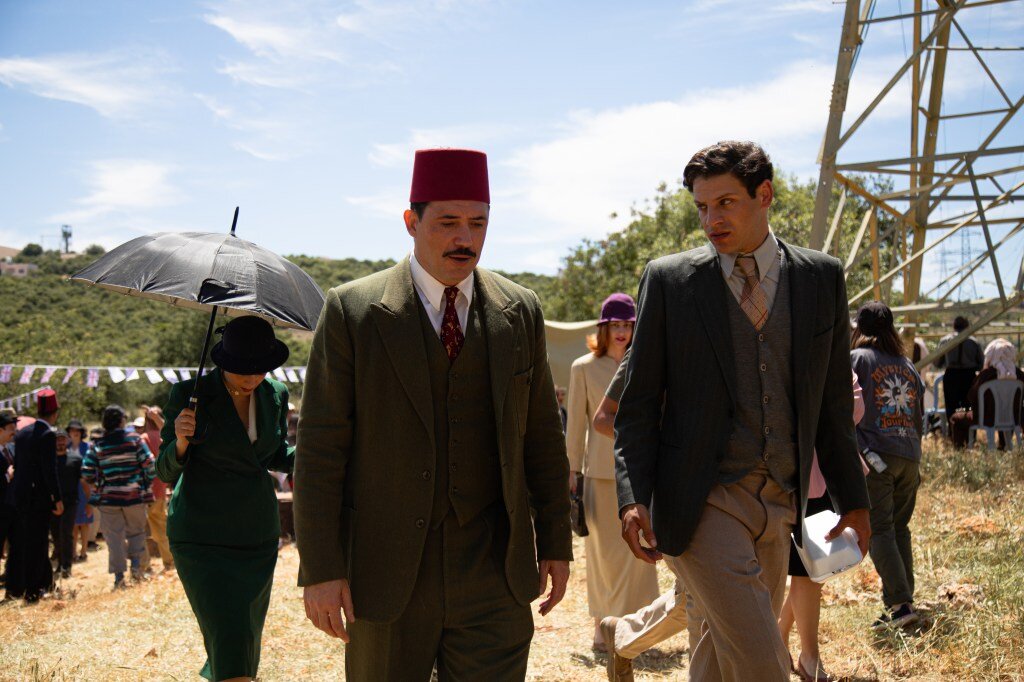
Annemarie Jacir Takes on British Colonization
“I wrote the script without thinking about budget or what was or wasn't possible because you have to be free when you work.”
Key takeaways
- Jacir’s process shows how liberating it can be to start from the story you need to tell, then later figure out how to bend resources around that vision.
- Her team’s use of local craft, scrap materials and community knowledge is a beautiful example of how ambitious period work can grow from very grounded, very human collaboration.
To-Dos
- Take a walk through your neighborhood with production designer eyes on, and snap photos of objects, textures and corners that could be transformed into sets or props.
- Write a short scene this week where you ignore budget worries for a moment, then sit with friends to brainstorm surprising, low cost ways you could actually shoot it.
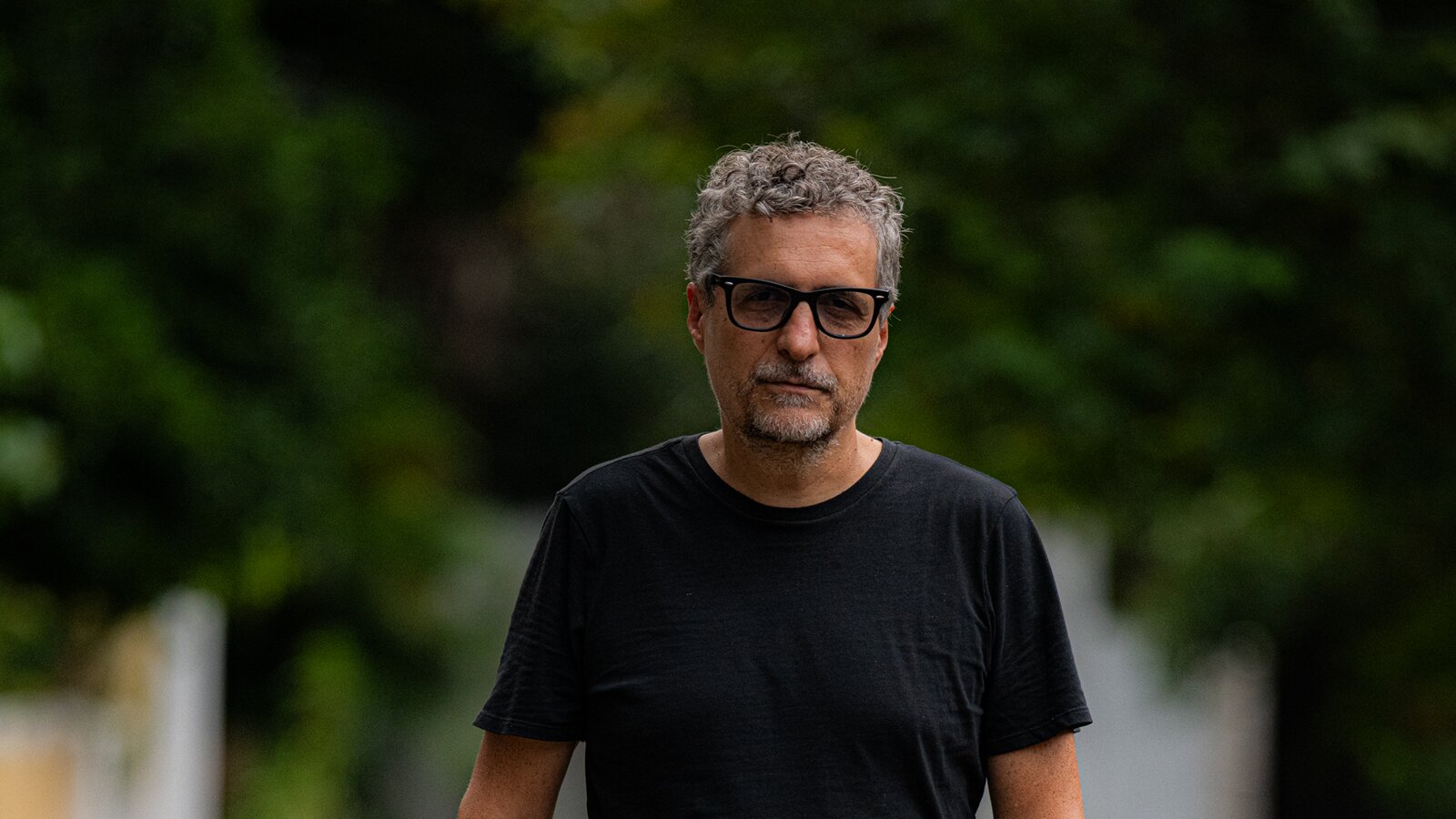
Interview with Kleber Mendonça Filho
“A concerted effort was undertaken by corporate interests to prevent The Secret Agent from being submitted to represent Brazil in the running for the Academy Award for Best International Feature Film.”
Key takeaways
- The piece lays out how powerful players can quietly steer awards and visibility away from films that complicate a country’s image.
- Mendonça Filho’s work is a reminder that when filmmakers lean into the specifics of their own streets, histories and memories, those stories can still resonate far beyond their borders.
To-Dos
- Plan a screening night for films from your region or language that never got wide attention, and invite the makers if possible to talk about their paths.
- Reach out to three nearby filmmakers, writers or organizers and propose starting a loose collective that supports each others releases and battles for visibility together.
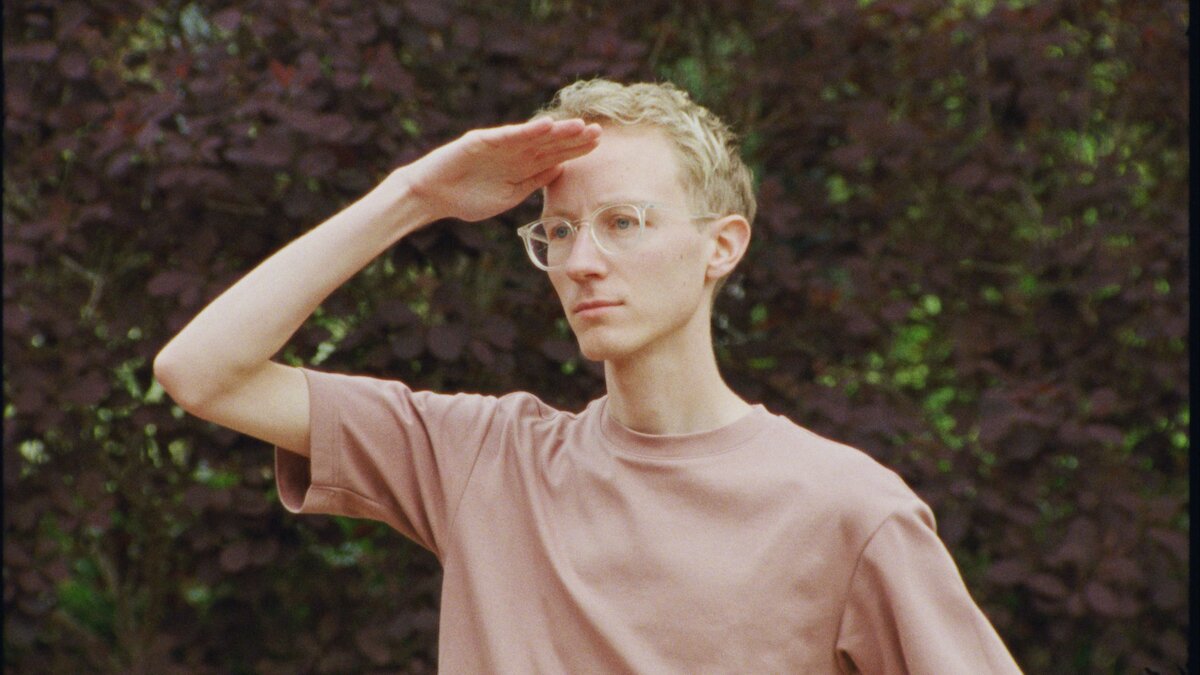
The Movie I Didn't Make: Charlie Shackleton's Zodiac Killer Project Exposes Secrets of True Crime
“This was the genesis of my new film Zodiac Killer Project, which, for better or worse, is essentially 92 minutes of me describing a true crime documentary in pedantic detail.”
Key takeaways
- Shackleton’s workaround shows that a strong concept and a clear point of view can still bite, even when you are boxed out of using the original material.
- Sometimes the most interesting forms arrive when you lean into a constraint and treat it as a creative prompt instead of a closed door.
To-Dos
- Grab coffee or a drink with a fellow maker and dream up one project that would be legally or logistically ridiculous, purely as a way to clarify what excites you about the idea.
- Spend a day filming only ordinary details in your own neighborhood, then cut them together and see what kind of story starts to emerge from repetition and rhythm.

Hollywood & Media Layoffs List: Paramount, Warner Bros. Discovery, CNN
“As we navigate the continued industry-wide linear declines and dynamic macro-economic environment, while prioritizing investments in our growing streaming business, we are taking the hard, but necessary steps to further streamline our organization starting this week.”
Key takeaways
- The language of efficiency and streamlining often masks a simple truth, fewer jobs and fewer weird experiments in favor of safer bets.
- Rolling one distinct outlet into another in the name of synergy can quietly erase specific voices that mattered to particular readers and viewers.
To-Dos
- Draft a simple co-op style production plan with your regular collaborators that spells out how decisions and any future income will be shared.
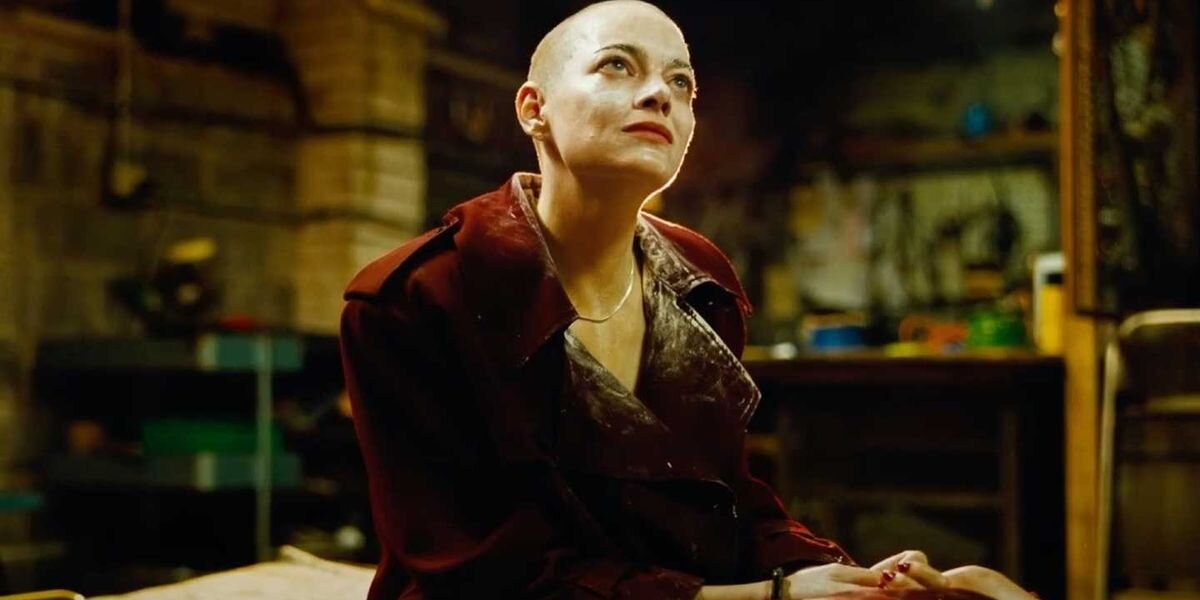
The Secret Tricks Behind Bugonia's Stunning Look, Straight from DP Robbie Ryan
“Do you know what it's made me do? It has become even more militant that I would really rather not do a feature film on digital.”
Key takeaways
- Ryan’s commitment to shooting on film is about more than nostalgia, it is a belief that the texture and discipline of celluloid shape how a story feels.
- His willingness to risk future work in order to hold that line is a reminder that sometimes artistic boundaries are worth defending, even in a digital hungry market.
To-Dos
- Invite local filmmakers to a casual meetup to talk about gear, formats and what they love about each, and see if there is any appetite for sharing or co-owning specialty equipment.
- Try a mixed media experiment on your next project, maybe a scene on MiniDV, a scene on your phone and a scene on stills, then look at what each format adds emotionally.
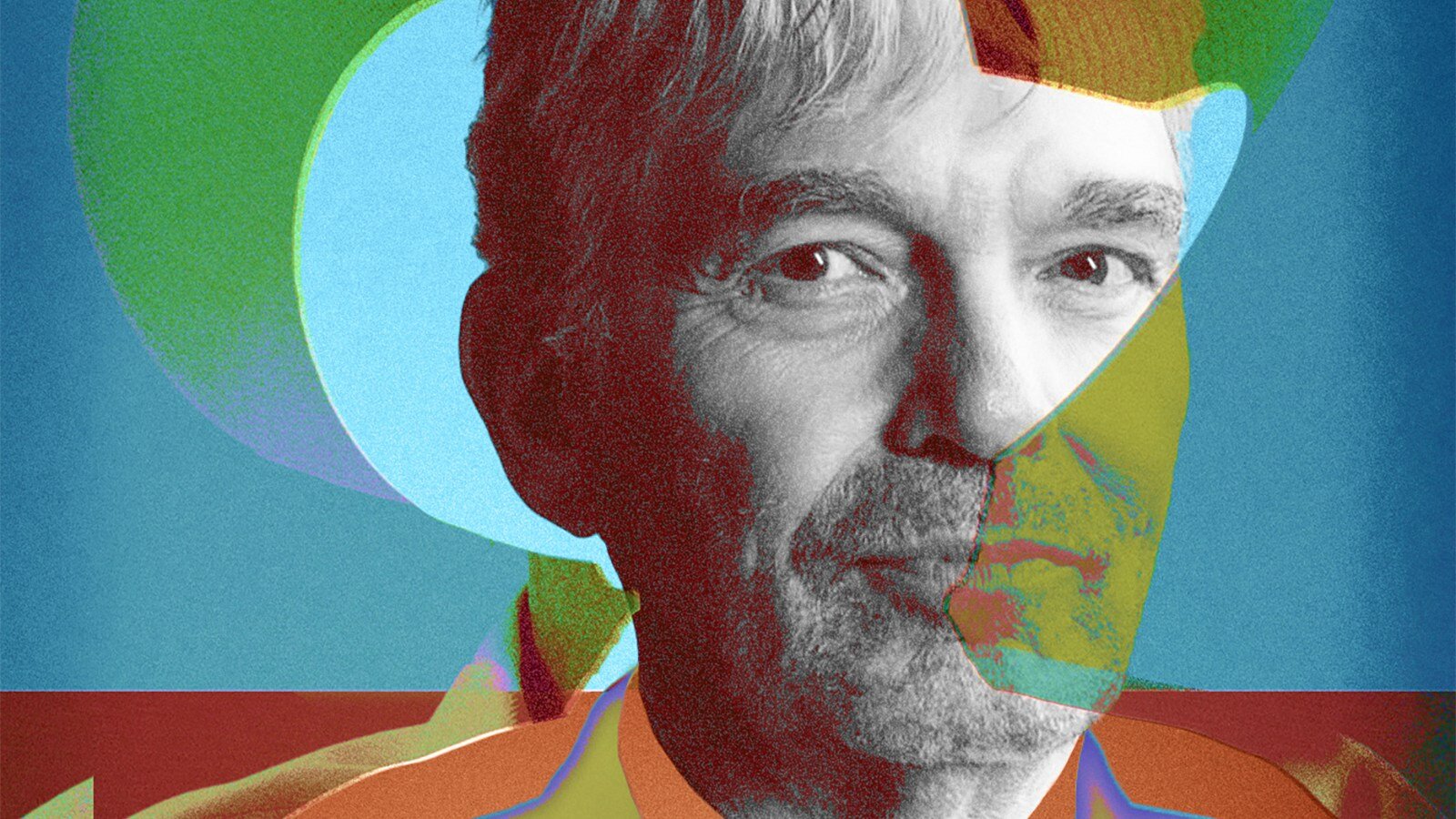
Billy Bob Thornton on Landman, Taylor Sheridan, Angelina Jolie, More
“The movie business has always been a business, but I think more so now than ever.”
Key takeaways
- The interview underlines how aggressively big studios chase what already works, even when that means sidelining stranger or more personal films.
- Remembering the energy of the eighties and nineties indie wave can be a nice reminder that entire movements can come from people telling small, specific stories on their own terms.
To-Dos
- Throw a low key movie night for friends and screen two or three indie features that shaped you, leaving time for a group chat about what made them feel alive.
- Write a short script this week that does one thing studio notes would probably ask you to remove, and enjoy building the story around that choice instead of trimming it away.
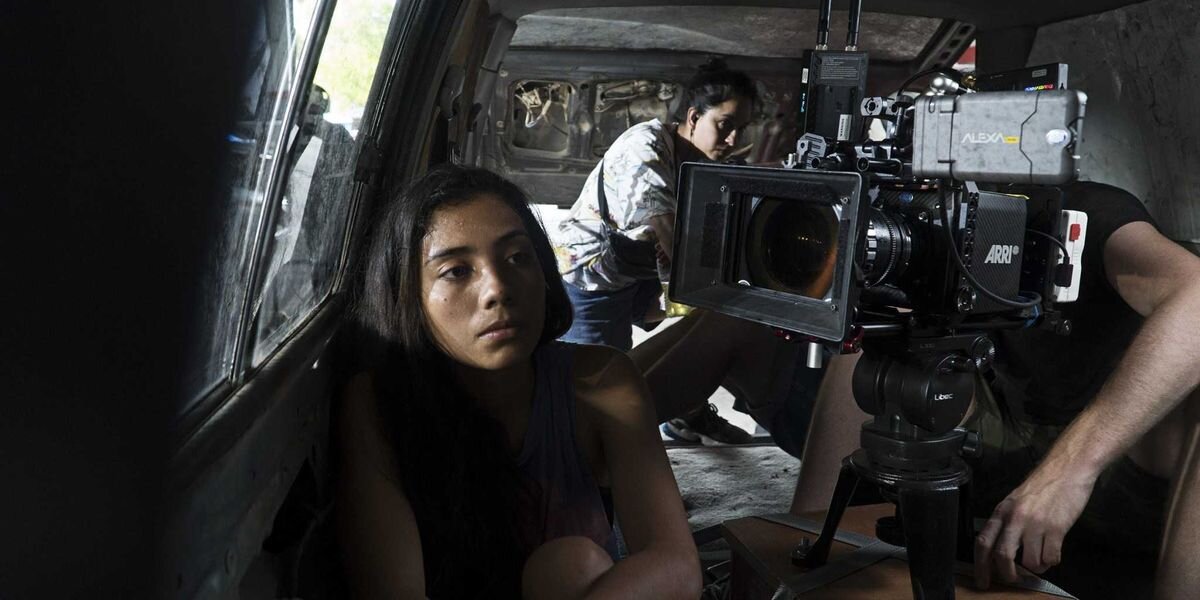
How Director Pedro Herrera Murcia Rewrites the International Rules of Indie Filmmaking
“I learned that knowing your community is a huge advantage, but it also comes with responsibility.”
Key takeaways
- Murcia’s approach turns familiarity with a community into a creative superpower, rather than something to hide in order to look more universal.
- Working with non actors and local stories shows how much richness is available when you treat your surroundings as collaborators instead of limitations.
To-Dos
- Make a quick mind map of the artists, small businesses and storytellers near you who might enjoy jumping into a film project, then reach out to at least one of them.
- Host an informal storytelling circle where neighbors can share true stories, and record them with permission to draw on later when you are building characters and worlds.

The Real Marty Supreme
“Their disapproval did little to halt the sponge revolution amid rule changes that standardized the thickness of the sponge on the paddles and, eventually, led to the introduction of the “sandwich rubber” (sponge covered with ordinary rubber).”
Key takeaways
- The story shows how new technology often arrives shaped by manufacturers and rule makers first, then players have to scramble to adapt.
- Reisman and Miles kept going even as the game moved away from what they loved, a reminder that community, craft and stubborn joy can outlast rule changes and trends.
To-Dos
- Invite a few filmmaking friends to a relaxed roundtable about which current industry tools and trends feel helpful, and which ones you might want to sidestep together.
- Set yourself a weekend challenge to make a micro short with whatever camera and gear you already own, focusing on rhythm, performance and play rather than technical perfection.
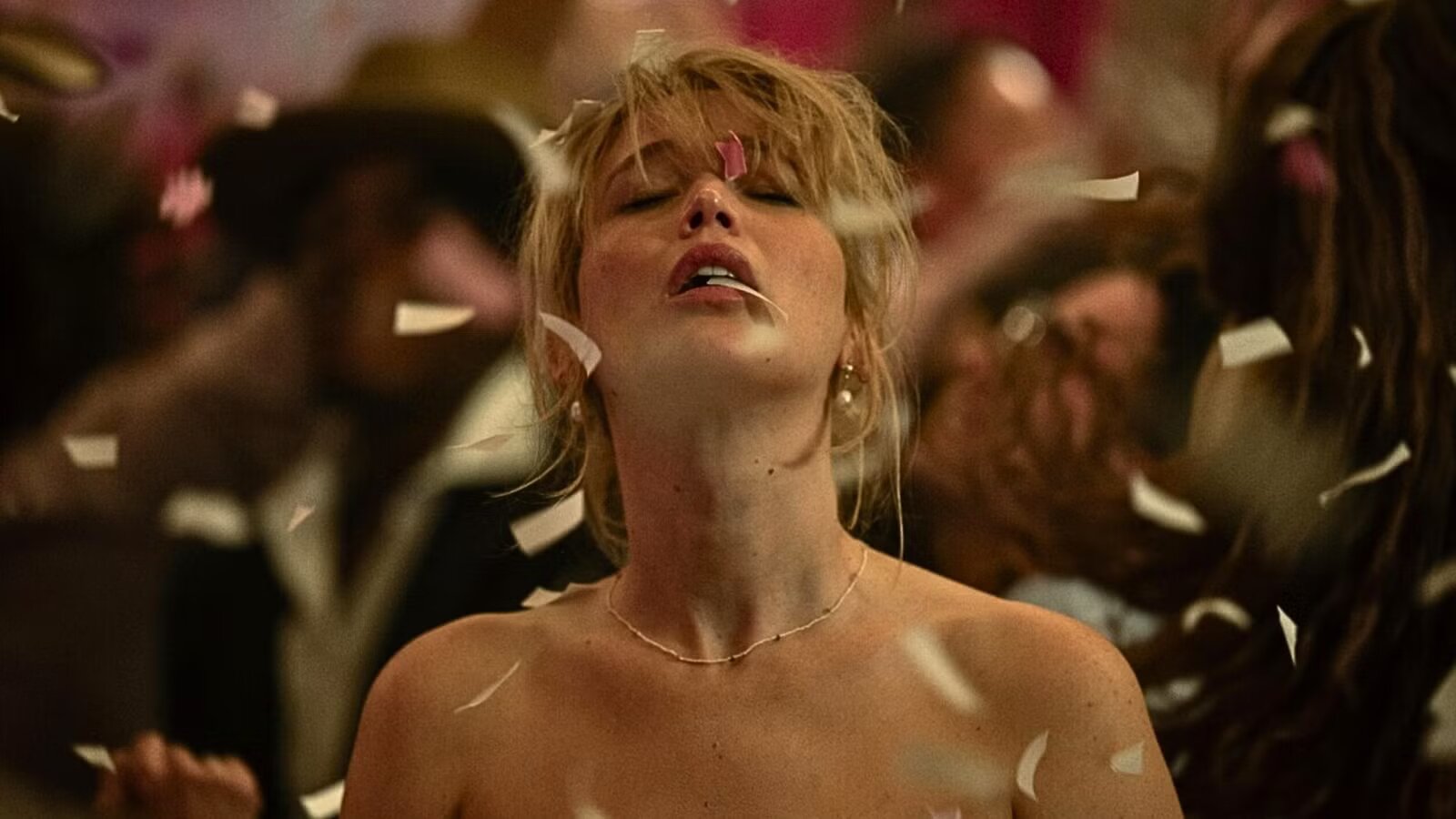
In Die My Love, Motherhood Is a Mad Mad Mad World
“It's better to let the movie live in the not knowing, in the madness and hormonal ferocity of this nightmare world.”
Key takeaways
- The film leans into chaos and uncertainty instead of tidying it away, which can make inner states feel startlingly real on screen.
- By refusing to smooth over the character’s extremes, the movie opens up space for honest conversations about mental health, gendered expectations and care work.
To-Dos
- Plan a pop up screening in a surprising space, such as a backyard, gallery, or shop after hours, and choose films that embrace emotional messiness as a feature, not a bug.
- Start a shared ongoing project with your collective where each person contributes a short, raw character piece that is allowed to feel unresolved and intense.
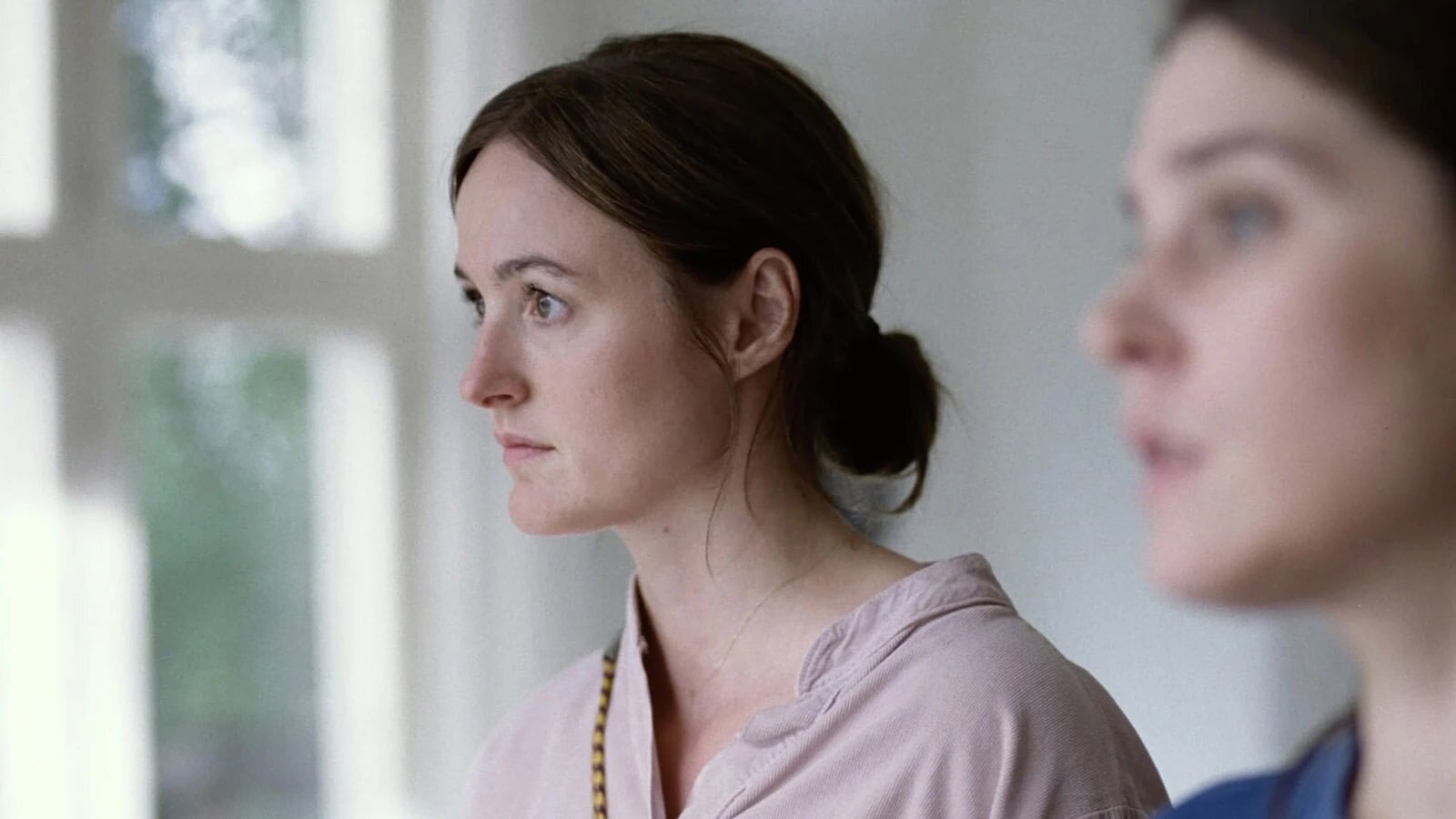
Sentimental Value Leads the EFA Nominations
“All four frontrunners in the race for this year's European Film Awards won top prizes when they premiered at the Cannes Film Festival six months ago.”
Key takeaways
- The awards pipeline often amplifies films that already arrived with a halo from major festivals, which can crowd out quieter discoveries.
- That pattern is a good reminder to separate your own taste from the current hype cycle, and to notice which films move you regardless of their prize history.
To-Dos
- Curate a small screening or watch list of films that played festivals but did not win big, and share what you love about them with your community.
- Start a recurring meetup or online chat where filmmakers can unpack how festival power works, then share practical ideas for supporting each others work outside that system.
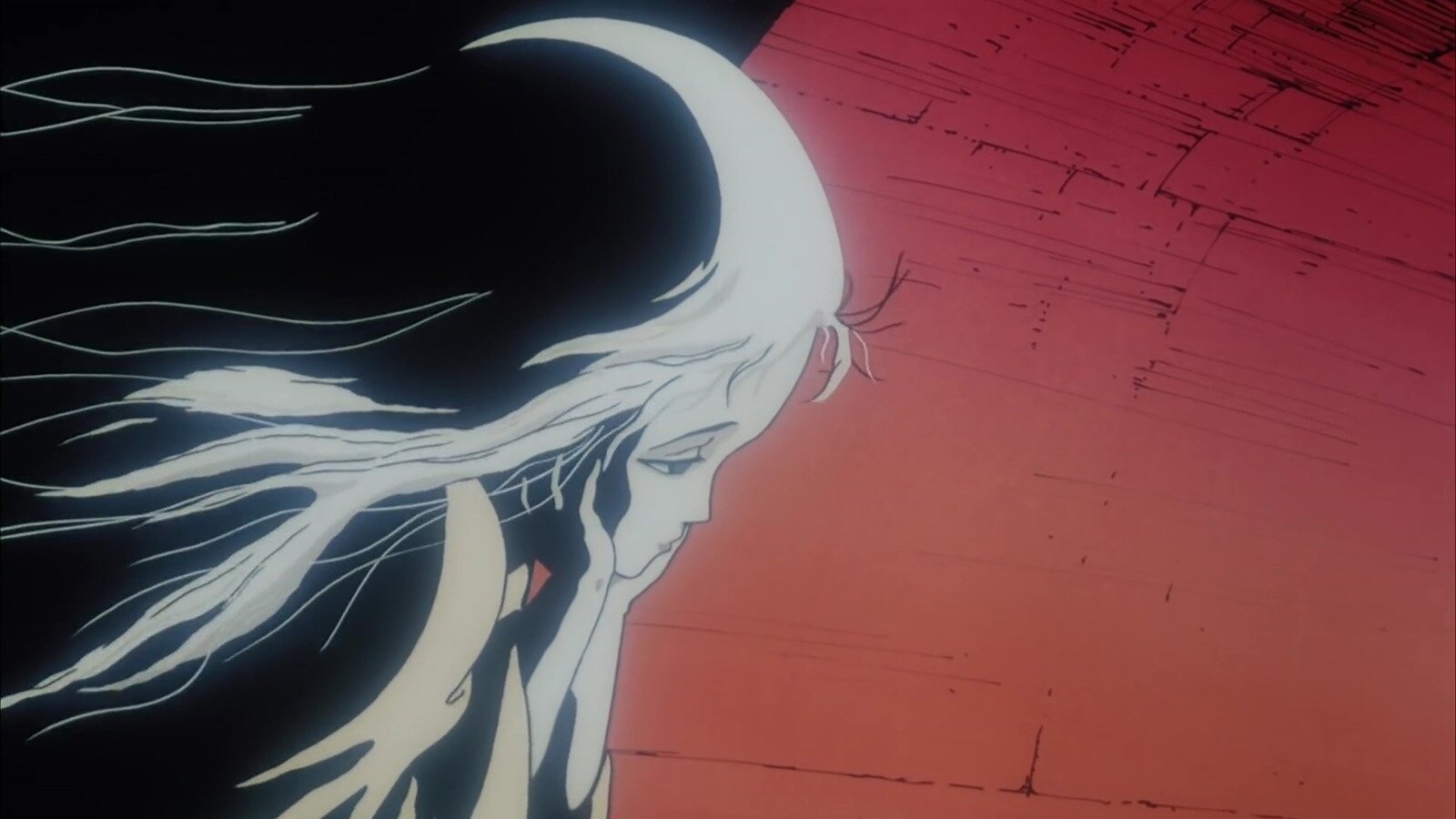
Early Mamoru Oshii
Angel's Egg (1985) is “a stoic, ethereal vision quest of a film ... notorious among anime and cult enthusiasts for resisting explanation, and one which more readily invites comparisons to Cocteau, Tarkovsky, and Jodorowsky than other anime.”
Key takeaways
- Angel’s Egg shows how a film with almost no dialogue and no tidy answers can still build a devoted following over time.
- Oshii’s place in a lineage with Cocteau, Tarkovsky and Jodorowsky is a reminder that the margins can be where some of the most lasting cinematic experiments happen.
To-Dos
- Write a short script that lets images, sound and mood carry more weight than exposition, then trade it with another filmmaker for notes on what stuck with them.
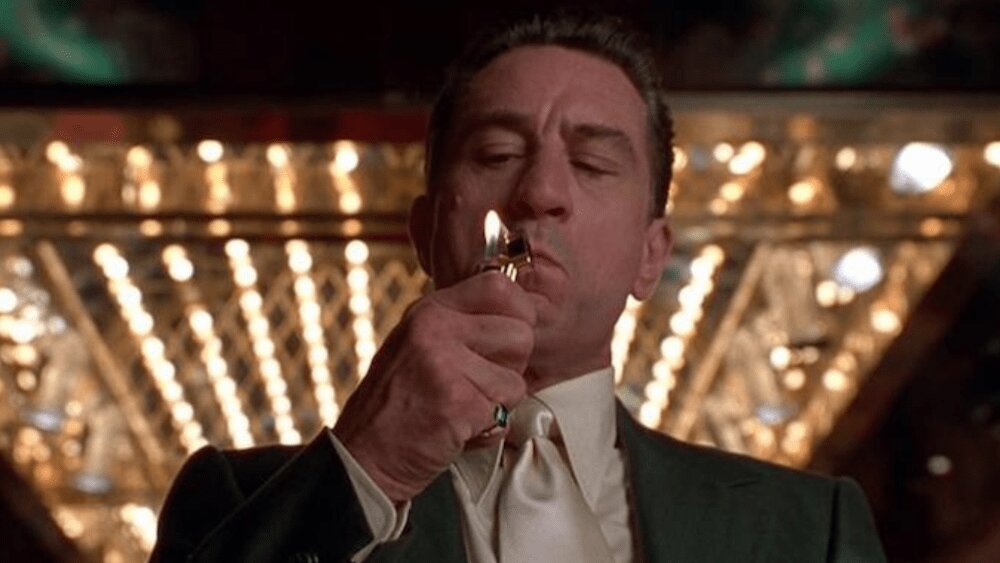
It's Time Casino Took Its Rightful Place as a Scorsese Classic
“It's Scorsese's most pitiless reckoning of the wages of sin.”
Key takeaways
- Casino dives into the logic of money and power with clear eyes, which can be a useful touchstone for anyone thinking about who pays and who pays the price in their own stories.
- Its cooler, harsher tone compared with Goodfellas shows a director willing to follow the material rather than repeat a previous hit, something indie filmmakers can take heart from.
To-Dos
- Gather a small group to read scenes from under loved scripts or films and talk about what they do formally that bigger hits often do not.
- Make a short using only items you can borrow or recycle, and treat the constraint as a game to see how inventive you can get without spending money.
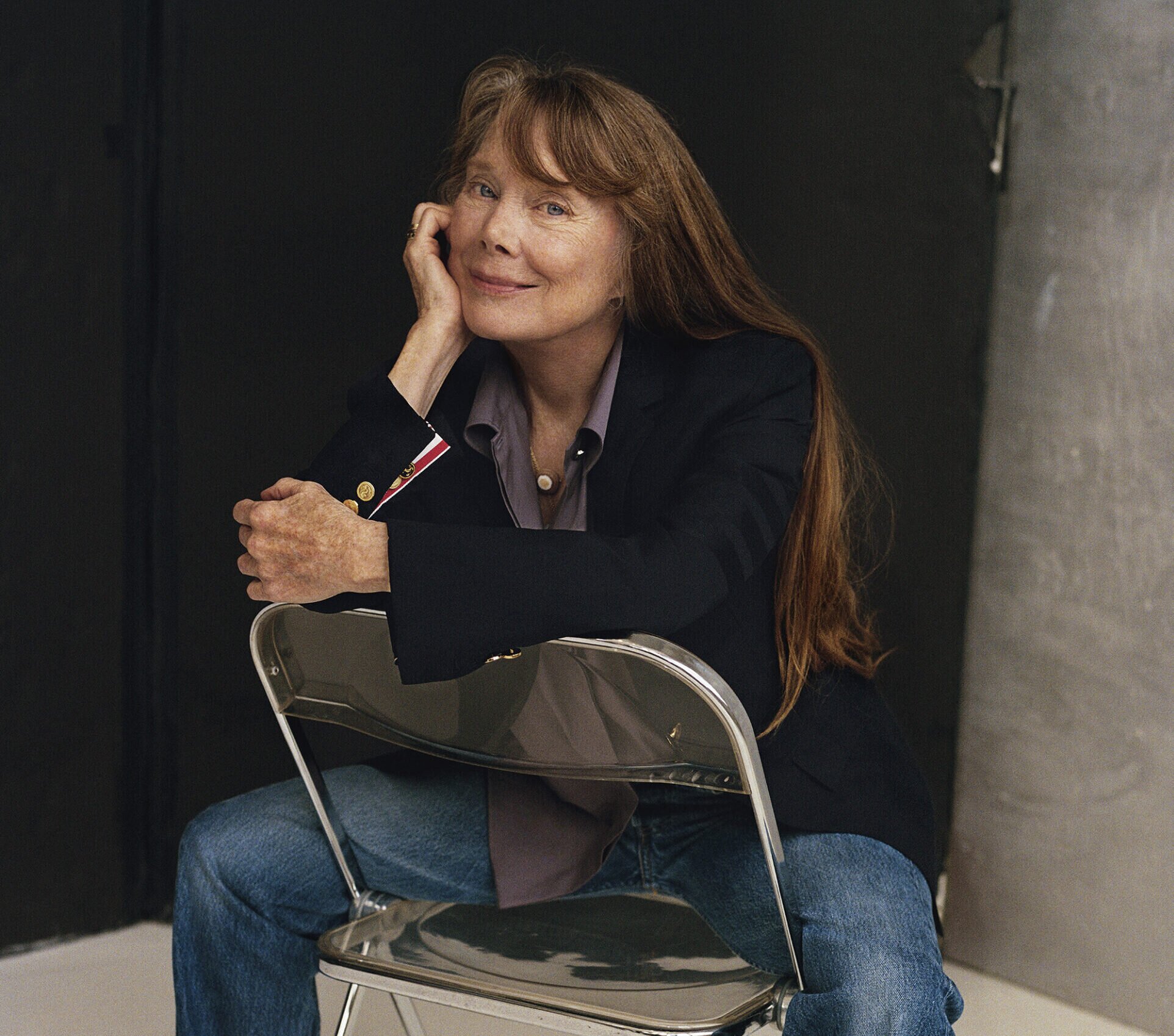
Sissy Spacek and Ethan Hawke Enter the Flow State
“The '70s were when independent film really came to fruition.”
Key takeaways
- The conversation looks back at a time when small, director driven films could break through, which can be energizing for people trying to do that again now.
- The way they talk about directors framing shots around actors movements is a nice reminder that collaboration on set can be a generous loop instead of a top down chain of command.
To-Dos
- Put on a screening of one seventies indie classic in your town and invite folks to stick around and talk about how those methods might translate to your current budgets.
- Start a skills swap within your film circle where everyone teaches one thing they are good at, from blocking with actors to sound design on a shoestring.
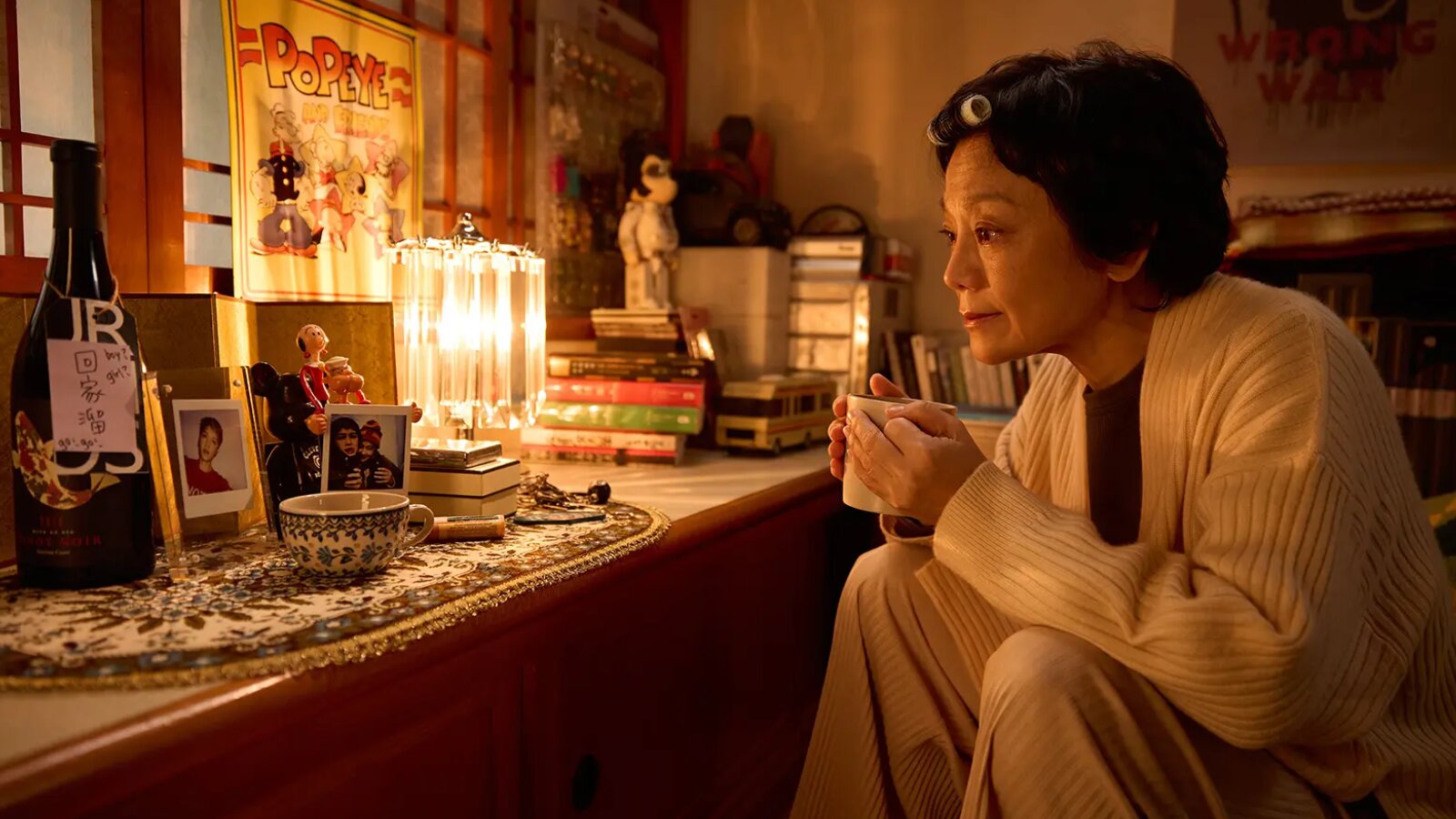
Sylvia Chang Interview
“At that time, I just felt: if I have the ability to do something different, why not do it?”
Key takeaways
- Chang’s career circles around curiosity and a willingness to try new forms, rather than simply climbing a ladder for its own sake.
- Her story suggests that a film’s real value can reveal itself slowly, as it keeps finding new viewers over the years, regardless of its initial box office life.
To-Dos
- Reach out to one person whose work you admire and float the idea of a small, shared project, even if it feels a bit bold.
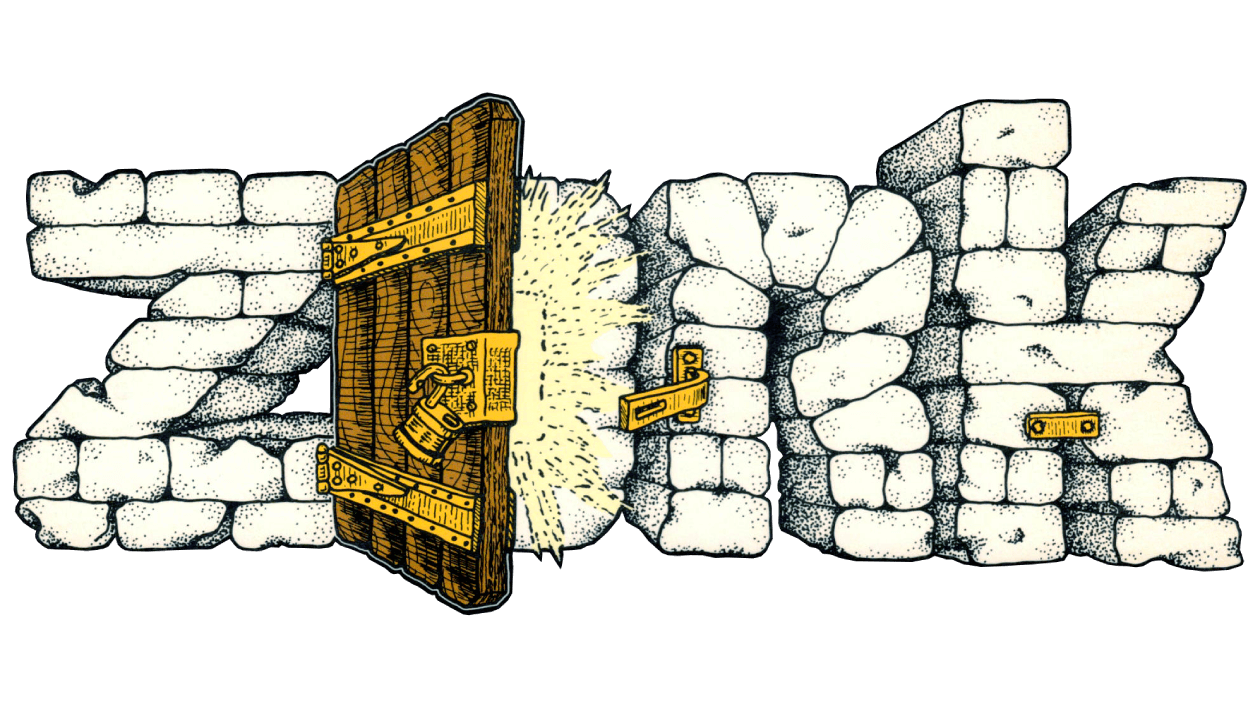
Preserving Code That Shaped Generations: Zork I, II, and III Go Open Source
“Bringing this code into the open is both a celebration and a thank you to the original Infocom creators for inventing a universe we are still exploring.”
Key takeaways
- Zork’s history shows how designing for multiple systems early on was already a quiet push against walled gardens and locked down platforms.
- Releasing the code under a simple, permissive license is a reminder that openness can invite education, remixing and unexpected new work around an old creation.
To-Dos
- Spend an hour looking through the design or code of an older game and note one structural trick you could borrow for your next film or interactive project.
- Pick a small piece of your own work, such as a short script or sound library, and experiment with sharing it under a friendly license so others can learn from or build on it.
Podcasts & Videos
Cannonball with Wesley Morris - The Perfect Neighbor Is an American Nightmare
“It's a very eerie thing. It's almost like we're seeing a stage set.”
To-Dos
- Analyze a public space in your town, imagining it as a stage. Note the dynamics, potential for conflict, and how you'd frame it in a documentary.
- Watch a local dispute unfold (safely and ethically). Observe and jot down the 'characters', dialogue, and setting for a screenplay scene.
The Lack - Persona
“The characters in this film are afflicted by the death of God.”
To-Dos
- Write a scene where a character confronts or grapples with the absence of traditional belief systems, using only visual storytelling -- no dialogue.
- Experiment with your current project by removing all dialogue in a pivotal scene to focus on the actors' physical expression and the cinematography to convey the message.
When a Comedian Accidentally Became a Legendary Filmmaker
“His editing is crude and harsh, sometimes inserting shots from future scenes that feel like visions or dreams.”
To-Dos
- Experiment with non-linear editing by inserting brief, seemingly unrelated shots into your current project to evoke a sense of foreboding or premonition.
- Shoot a mundane scene but edit in a way that subverts its initial context, making the ordinary seem extraordinary or vice versa.
William H. Macy Talks Fargo, Auditions, PTA
“I try to read them in one sitting. I kind of skip over the stage directions because they're nonsense, they don't help you.”
To-Dos
- Read your current script in one go, ignoring stage directions, to see if the story flows and feels cohesive.
- Rewrite a scene in your script without using traditional stage directions, forcing the dialogue and actions to carry the scene.
Eye of the Duck: Rap World (2024)
“People acted so differently around a camera in 2009, because there was just no sense as to where it was going to go ... it was a different look in people's eyes. They looked so much happier.”
To-Dos
- Map out the big moments you want your film to hit, then let your cast and crew loosen up inside that framework so unexpected, honest moments can surface on their own.
- Treat whatever gear and locations you already have -- old cameras, cramped rooms, parking lots -- as part of the film's look, using those limitations to shape a style that feels natural rather than forced.
The Movies That Made Me - Running Man Director Edgar Wright Returns!
“You know immediately after a screening if it works or not ... the people who stick around are the ones who felt the impact.”
To-Dos
- After you screen your film -- even for just a handful of friends -- stick around and observe who stays to talk, because those raw, immediate reactions will tell you far more about what's landing than any formal notes session ever could.
- Look for real, lived-in locations with strong personality, and build scenes around them; using architecture or found spaces creatively can add production value you could never afford to fabricate on your own.
Bugonia Cinematographer on Shooting Vistavision with Lenses Used on One Battle After Another
“If somebody's moving, the camera should be moving ... the timing is very precise. If somebody stops, you should stop at the same time.”
To-Dos
- When you're shooting a fight or chase scene, try staging the whole moment in wider frames and letting the actors run through it in real time.
- Embrace the quirks and 'happy mistakes' of your gear -- whether it's a shaky rig, a jam-prone camera, or odd reflections.
Let's Get Deep - Alonso Indacochea - Entrepreneur, Immigrant, Filmmaker
“If you aren't about doing, you aren't about making change -- and if you aren't about making change, we're probably not going to be friends.”
To-Dos
- Build your film circle the same way you'd build a community -- work with people who show kindness, curiosity, and generosity.
- Treat collaborative film work like an act of resistance -- create the stories you want to see, support others doing the same, and keep showing up even when it's exhausting.
Trailers
Dir. Mark Obenhaus, Laura Poitras, 115 min
United States, Documentary
Release: TBD
Starring Seymour Hersh
Dir. Brad Barnes, Todd Barnes, 85 min
United States, Documentary, Comedy, Musical
In theaters April 20, 2013
Starring Todd Snider, Elizabeth Cook, Jeff Austin
Dir. Hélène Cattet, Bruno Forzani, 87 min
Belgium, Action, Mystery, Sci-Fi
Release: TBD
Starring Céline Camara, Koen De Bouw, Maria de Medeiros
Dir. Jan-Ole Gerster
Germany, Thriller
Release: TBD
Starring Jack Farthing, Sam Riley, Bruna Cusí
Dir. Harris Dickinson, 100 min
United Kingdom, Drama
In theaters October 17, 2025
Starring Shahzad Ali, Diane Axford, Joseph Ayre
Dir. Lynne Ramsay, 119 min
United Kingdom, Drama, Thriller
In theaters November 7, 2025
Starring Jennifer Lawrence, Robert Pattinson, Sissy Spacek
Dir. Hlynur Pálmason
Iceland, Drama
Release: TBD
Starring Ingvar Sigurdsson, Sverrir Gudnason, Anders Mossling
Dir. Charlie Shackleton, 91 min
United States, Documentary, Crime, Mystery
In theaters January 27, 2025
Starring Charlie Shackleton, Guy Robbins, Lee Nicholas Harris
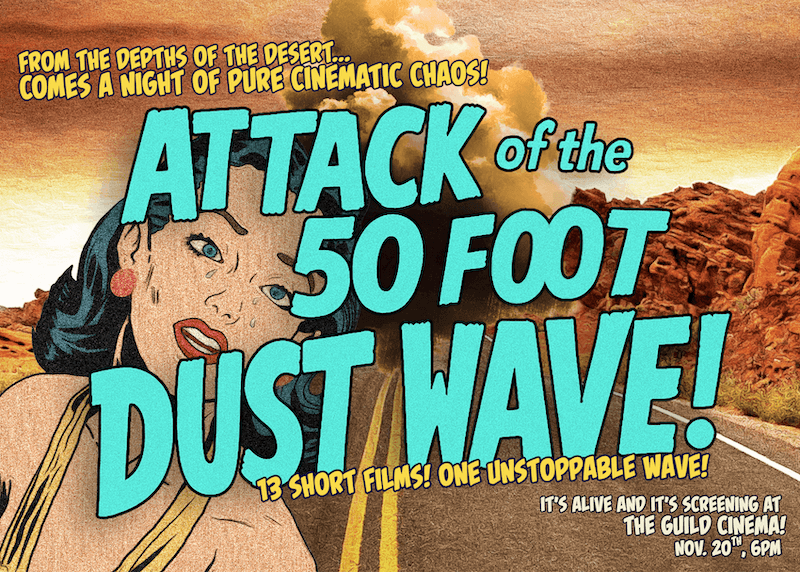
And that's this week's digest. I want to give another special shout out to everyone that helped put on Dust Wave's recent invite-only showcase, Attack of the 50 Ft. Dust Wave! Thanks to Anna Buan, Brandon Carter, Rhiannon Barela, Kaidin Jarjusey, and of course all of our amazing filmmakers. And Keif and the Guild Cinema for being the paragons of the Albuquerque independent film community.
I don't have a Letterboxd or anything, but here are a few movies I've watched (or rewatched) and enjoyed recently:
As always, everything we share is chosen with the same compass: collectivity over ego, experiments over formulas, access over gatekeeping.
Keep making what only you can make, keep passing the torch sideways, and keep stitching together the world we actually want to live in.